
What Are the Applications of Circular Saws?
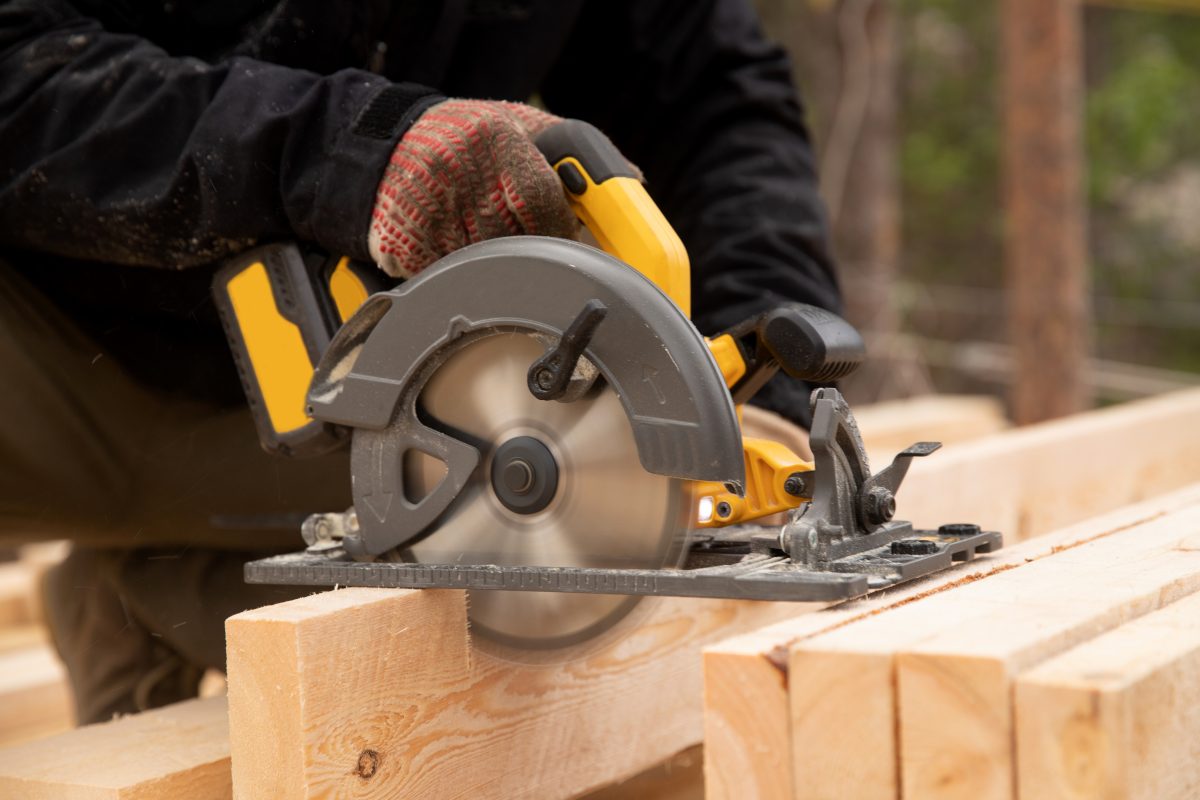
Circular saws have revolutionized the way we approach cutting tasks, offering unmatched precision and versatility. This guide explores the applications of circular saws, from home projects to construction and beyond, while also emphasizing the importance of safety and tool selection.
What Is a Circular Saw?
A circular saw is a power tool equipped with a toothed, rotating blade designed for cutting through various materials like wood, plastic, or metal. Its key components include the blade, motor, and base plate, each serving a critical function in delivering consistent and controlled cuts. Loved for its portability and flexibility, this tool has become a staple in workshops and job sites around the world.
Home Improvement
Circular saws play a crucial role in home improvement projects, making them a must-have for DIYers. Whether you’re installing new flooring or building a bookshelf, this tool can make precise, clean cuts in a fraction of the time it would take with manual tools. With adjustable settings and a wide range of blade options, circular saws are ideal for cutting lumber, plywood, and even drywall. For instance, when creating custom shelves or frames, a circular saw ensures uniformity and accuracy.
Construction
Professional construction projects heavily rely on circular saws to meet the demands of building and renovation. They have the ability to cut through dense wood, reinforced metal, and concrete materials. As such, these saws are an integral part of framing houses, fabricating roof trusses, or slicing through cumbersome materials at construction sites. Their speed and ease of use help contractors complete large-scale projects on time while maintaining the necessary precision.
Woodworking
Woodworkers often turn to circular saws to achieve seamless, detailed cuts required for furniture making and other intricate tasks. These saws are capable of straight cuts and can also handle bevel and rip cuts for more complex craftsmanship. A well-maintained and sharp blade ensures smooth edges, which are vital in enhancing the finished quality of woodworking projects. With care, a circular saw becomes an indispensable ally for creating anything from cabinets to artistic wooden pieces.
Safety Tips
There are certain safety mistakes to avoid when using a circular saw. Always wear protective gear, such as safety goggles and gloves, and keep your hands clear of the blade at all times. Firmly secure the material you’re cutting to avoid kickback, a common hazard. Regularly inspect the condition of both the blade and the saw to prevent malfunctions. Familiarizing yourself with the tool’s user manual will also arm you with the knowledge needed to mitigate risks.
Choosing the Right Saw
When considering which circular saw to purchase, your needs will influence the decision. For DIYers, a lightweight and portable model works best for versatility around the house. Construction professionals may prefer a heavy-duty option capable of slicing through industrial materials, while woodworkers often seek saws with advanced features for maximum precision.
Whether you’re a weekend warrior or skilled craftsman, understanding the various applications of circular saws can breathe life into your projects. Explore trusted models that cater to your unique needs and elevate your work to new heights.


