Most Beneficial Tools for Water Treatment Plants
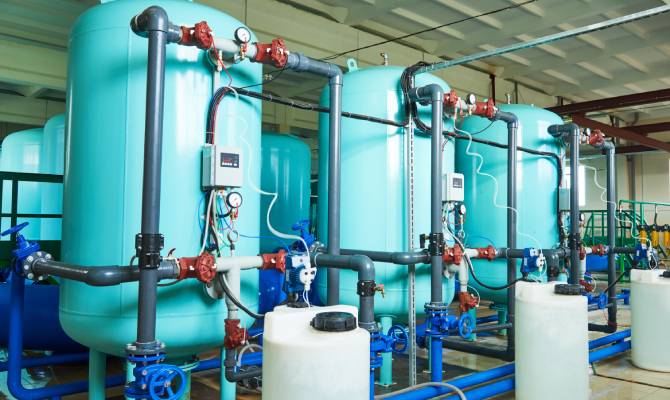
It’s impossible to overstate the significance of water treatment plants, whether they’re in large cities or small towns. These facilities are at the forefront of ensuring safe and clean water for communities, leveraging advanced tools and technologies to achieve this goal. Understanding the most beneficial tools for water treatment plants allows engineers and everyday people to know they’re getting safe, healthy water.
Softening Equipment
At the heart of many water treatment processes is the need to reduce water hardness that results from high levels of calcium and magnesium. Plants utilize softening equipment to address this challenge, employing ion-exchange resins or lime-softening methods to remove these minerals.
Such equipment is crucial not only for improving water quality but also for extending the lifespan of pipes and appliances by preventing scale buildup. The application of this technology ensures that water treatment plants can meet the demands for soft water in various industrial and domestic settings.
Measurement Technology
The accuracy of water-quality assessment is paramount to the functioning of water treatment plants. These plants use a range of sensors and analyzers to monitor various parameters, including pH levels, turbidity, and the presence of harmful chemicals.
By employing these sophisticated tools, plants can continuously gather data, facilitating real-time adjustments to the treatment process. Almost all plants utilize flow meters because they can alert workers to changes in water flow, which can help catch contaminants or blockages. Many modern plants utilize ultrasonic flow meters over magnetic ones for their reliability and longevity. This capability is essential for maintaining compliance with environmental standards and safeguarding public health.
Filtration Equipment
Naturally, one of the most beneficial tools for water treatment plants is the filtration system. Plants utilize a wide range of filters and machines to help remove as many potentially harmful irritants from water as possible.
Advanced filtration systems, such as ultrafiltration, reverse osmosis, and microfiltration, work to tackle contaminants ranging from particulate matter to microscopic pathogens. Many plants adjust their selection of appropriate filtration technology based on the specific challenges they face. They consider factors like water source quality and treatment-capacity requirements.
Water treatment plants play a critical role in modern society, providing clean water that supports both life and industry. With the continued refinement of these technologies, water treatment facilities can reach higher levels of efficiency and effectiveness. This can further contribute to environmental sustainability and public well-being.