How To Transport Chemicals Safely Across the Country
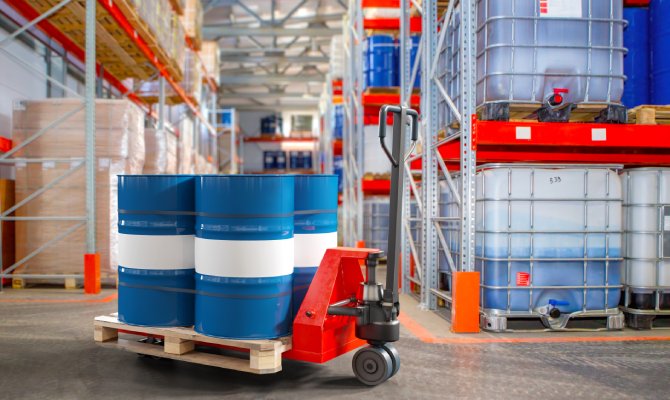
Transporting chemicals safely across the country requires a meticulous approach to ensure both compliance with regulations and the protection of human and environmental health. With proper planning and the right equipment, chemical transportation can be managed effectively. Here are some key strategies and considerations for safely transporting chemicals across the country, highlighting best practices and tools to support secure transit.
Understand Regulatory Requirements
When transporting chemicals across state lines or internationally, it’s crucial to understand and comply with all regulatory requirements. These regulations, established by organizations such as the Department of Transportation (DOT) and the Environmental Protection Agency (EPA), dictate how chemicals should be packaged, labeled, and transported. Compliance ensures that the chemicals are handled safely and reduces the risk of legal issues. Staying informed about changes in regulations and obtaining the necessary permits and documentation is vital for smooth operations.
Choose the Right Packaging
Selecting appropriate packaging for chemicals is a fundamental aspect of safe transportation. The packaging must be compatible with the chemical being transported and strong enough to withstand the rigors of transit. Intermediate bulk containers (IBCs), drums, and specialized chemical containers are commonly used for transporting various chemicals. Each type of container has specific benefits and limitations, so it’s important to choose the right one based on the chemical’s properties, such as its reactivity and temperature sensitivity. Proper packaging minimizes the risk of leaks, spills, and contamination.
Implement a Reliable Transportation Plan
A reliable transportation plan involves selecting a suitable mode of transport, mapping out safe routes, and ensuring that all personnel involved are trained in handling chemicals. Different modes of transport, such as road, rail, sea, or air, may be more appropriate depending on the chemical and destination. Routes should be planned to avoid densely populated areas and sensitive environments, reducing the risk of accidents. Training ensures that drivers and handlers know how to manage chemicals and respond effectively to emergencies.
Utilize IBC Tank Tracking Systems
Utilizing IBC tank tracking systems is an effective way to control costs and ensure the safe transport of chemicals. These systems provide real-time data on the location, condition, and status of IBCs, allowing for efficient management and tracking throughout the transportation process. By leveraging technology, companies can monitor their shipments, optimize routes, and ensure compliance with regulations. Furthermore, tracking systems help identify inefficiencies and potential cost-saving opportunities, contributing to safer and more economical chemical transportation.
Now that you know how to transport chemicals safely across the country, you can implement these strategies to enhance safety and compliance. Prioritizing safety and efficiency in chemical transportation protects people, the environment, and your bottom line.