Tips for Preventing Water Pollution While Boating
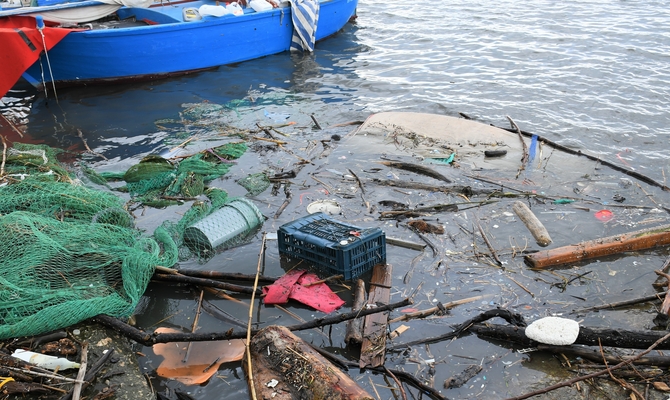
Water pollution is a significant environmental issue that affects aquatic ecosystems, wildlife, and human health. Boating, while a popular recreational activity, can contribute to this problem if proper precautions are not taken.
Let’s look at tips for preventing water pollution while boating so you can learn to be a more responsible boater.
Follow Local Regulations and Laws
Before heading out on the water, make sure you are aware of any local regulations or laws regarding boating and water pollution. This includes speed limits, no-wake zones, and designated areas for anchoring or sewage discharge. Ignoring these rules can result in fines and penalties, as well as harm to the environment.
Properly Maintain Your Boat
Regular maintenance of your boat is crucial in preventing water pollution. Check for any leaks or spills before each trip and promptly fix any issues. Keep your boat’s engine well-tuned to reduce fuel emissions that can contaminate the water. Additionally, use eco-friendly cleaning products for your boat and dispose of any used oil, batteries, or other hazardous materials at designated facilities.
Dispose of Waste Properly
One of the biggest contributors to water pollution from boating is improper disposal of waste. Never discharge sewage, garbage, or chemicals into the water. Instead, use onshore bathroom facilities and designated waste receptacles for trash and recycling. If you have a marine toilet on board, make sure to properly maintain it and discharge it only in designated pump-out stations.
Reduce Fuel Emissions
Boats can release harmful pollutants, such as carbon monoxide and nitrogen oxides, into the air and water. To reduce fuel emissions, avoid idling for long periods, and follow proper fueling practices.
You can also consider eco-friendly alternatives to traditional two-stroke engines, which emit the most pollutants. Look into the pros and cons of electric boating and consider switching to a more environmentally friendly option.
Be Mindful of Wildlife
While boating, be mindful of the local wildlife and their habitats. Do not disturb nesting areas, feeding grounds, or breeding zones. Avoid throwing trash or fishing lines into the water, as these can harm animals and their natural habitats. Slow down when passing through areas where marine life may be present, such as seagrass beds or coral reefs.
Spread Awareness
Spread awareness among other boaters about the importance of preventing water pollution. Encourage others to follow responsible boating practices and report any observed violations to relevant authorities. Educate yourself and others about the negative impacts of water pollution on our environment and how we can all work together to prevent it.
By following these tips for preventing water pollution while boating, we can help protect our precious water resources and preserve them for future generations to enjoy. Let’s all do our part to prevent water pollution while enjoying our time out on the water.