4 Factors To Consider When Choosing a Hydraulic Pump
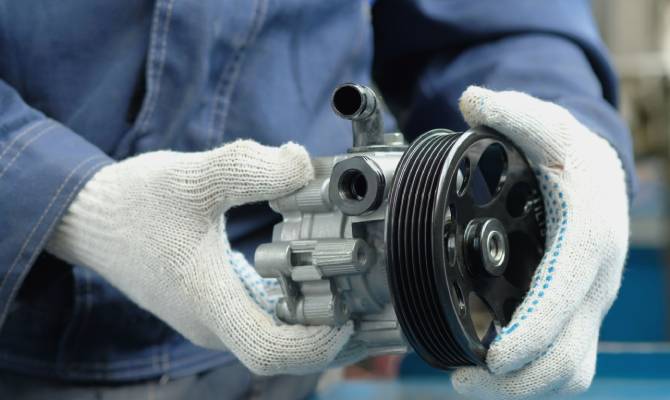
Hydraulic pumps are the backbone of numerous industries, from construction to manufacturing. Selecting the right pump is essential for ensuring operational efficiency, reducing downtime, and maintaining the longevity of your equipment. Continue reading for a comprehensive overview of the factors to consider when choosing a hydraulic pump.
Understanding the Specific Application and Required Flow Rates
Having a clear understanding of your application’s requirements is vital. Different tasks demand varying flow rates and pressure levels. For example, heavy construction machinery requires high flow rates to simultaneously power multiple hydraulic functions, whereas smaller industrial machines may need lower flow rates. It’s essential to assess how you will use the pump and to calculate the necessary flow rate to ensure optimal performance. By matching the pump’s specifications to the application’s demands, you can prevent potential inefficiencies and mechanical issues down the road.
Selecting the Right Type of Hydraulic Pump
Hydraulic pumps come in various types, each suited for different applications and operational conditions. The three primary types are gear pumps, vane pumps, and piston pumps. Gear pumps are simple and reliable, making them a popular choice for many general applications. Vane pumps, on the other hand, offer better efficiency and quieter operation, making them ideal for industrial settings where noise reduction is crucial. Piston pumps are the most versatile and can handle high-pressure applications, though they tend to be more expensive. Understanding the main uses for different types of hydraulic pumps can help you select the most appropriate type for your specific needs.
Considering the Operating Pressure and System Efficiency
Operating pressure is another factor to consider when choosing a hydraulic pump. Different pumps can handle varying pressure ranges. It’s important to ensure the pump you choose can operate efficiently within your system’s pressure requirements. Additionally, don’t overlook system efficiency. Low-efficiency pumps can lead to higher energy consumption and operational costs. Therefore, opt for a pump that offers high efficiency to maximize productivity and minimize expenses.
Evaluating the Pump’s Reliability, Maintenance, and Cost-Effectiveness
Evaluating the reliability, maintenance requirements, and cost-effectiveness of a hydraulic pump is crucial for long-term success. A reliable pump reduces the risk of unexpected downtime, which can be costly and disruptive. It’s also important to consider the ease of maintenance. Pumps that require frequent repairs or complex maintenance procedures can add to operational costs. Finally, while upfront costs are important, it’s essential to evaluate the total cost of ownership. This includes considering factors such as energy efficiency, maintenance costs, and the pump’s expected lifespan.
Selecting the right hydraulic pump involves careful consideration of various factors. Choose wisely to ensure smooth and efficient operations in your industry.