5 Ways Road Salt Affects Your Car’s Exterior
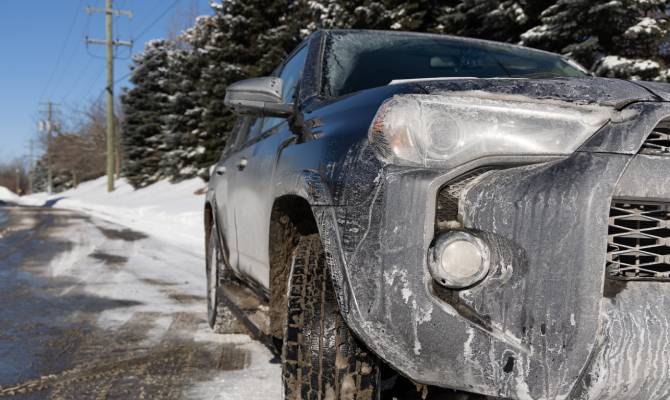
Every winter, Missouri roads become a battleground against the elements. While road salt is essential for keeping streets safe and ice-free, it is a silent adversary to your beloved vehicle. Car owners often overlook how road salt sneakily impacts the exterior of their vehicles, leading to long-term damage. Learn more about how road salt affects your car’s exterior.
1. Paint and Metal Damage
The first noticeable effect of road salt is on your car’s paintwork. Salt particles chip away at the protective coating, exposing the metal underneath. Rust forms quickly after the metal is exposed to moisture, especially rain and snow.
The science behind how rust affects your car is predicated on the combination of metal mixing with oxygen and moisture. The cold and increasingly wet conditions of the season, when combined with salt, can eat away at your paintwork.
To mitigate this, consider applying a high-quality wax or sealant before winter. Regularly washing your car, particularly the lower areas, will help remove salt residues and protect the paint.
2. Worn Rubber
Salt doesn’t just stop at metal; it also affects the rubber components of your car. The salt dries out and cracks rubber seals and tires, leading to air leaks and decreased performance. In some cases, it may even weaken your tires, impacting their longevity and safety.
Inspect your tires frequently during the winter months. Applying a rubber protectant also safeguards these parts from the corrosive effects of road salt.
3. Undercarriage Vulnerability
The undercarriage of your car is often out of sight, out of mind, but it’s one of the most vulnerable areas to salt damage. Salt accumulates on the undercarriage, leading to structural component corrosion and compromising your vehicle’s integrity over time. This damage results in costly repairs if not addressed.
Protect your undercarriage with the help of a professional undercarriage wash regularly during winter. Some car washes offer special services that remove salt deposits from these hard-to-reach places.
4. Corroded Electrical Systems
Beyond physical damage, road salt also wreaks havoc on your car’s electrical systems. Salt corrodes the connectors and wiring located underneath your car, leading to electrical failures. These issues manifest as malfunctioning lights or serious problems requiring expensive repairs.
Routine checks and maintenance prevent electrical mishaps. Ensure all connections are sealed properly, and consider using a dielectric grease on connectors to prevent salt ingress.
5. Brake Reduction
Road salt also affects your brakes. Salt exposure leads to the rusting of brake components, reducing their efficiency and potentially leading to dangerous driving conditions. This is particularly concerning as effective brakes are crucial for winter driving safety.
Regular inspection and cleaning of your brake system during winter prevents excess corrosion. Stay alert for any changes in braking performance, and consult a professional if you notice anything unusual.
It’s possible to avoid the detrimental effects of road salt on your car’s exterior with a proactive approach. Understand the risks and take preventative measures to keep your car looking and performing its best, even in Missouri’s challenging winters. Consider scheduling regular maintenance checks and adopting a routine wash schedule to combat the effects of salt.