4 Ways To Improve Adhesion and Bonding in Manufacturing
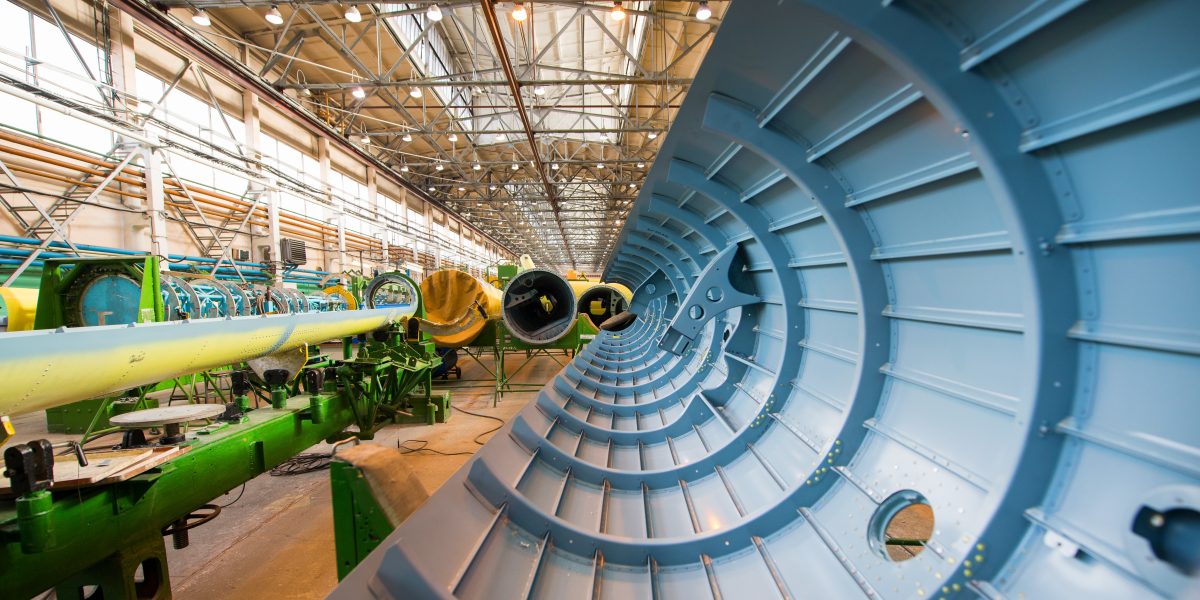
Manufacturers and industrial engineers constantly seek ways to elevate product quality while optimizing efficiency. Adhesion and bonding play a vital role in achieving those goals, serving as the backbone of many manufacturing processes.
From assembling aviation parts to creating durable electronics, the ability to join materials effectively is fundamental to delivering a reliable final product. Below, we’ll explore some of the most effective ways manufacturers can improve adhesion and bonding, from surface preparation to curing methods.
The Role of Adhesion and Bonding in Manufacturing Processes
Adhesion and bonding are essential in modern manufacturing, connecting materials like metals, plastics, glass, and composites while replacing traditional fasteners like screws or rivets. These techniques offer numerous benefits, including lighter components, evenly distributed stress, and more efficient designs.
Proper bonding also ensures durability, safety, and aesthetics, while poor adhesion risks product failure and customer dissatisfaction. To stay competitive, manufacturers must achieve flawless bonding every time.
Overcoming Challenges in Achieving Optimal Adhesion
Manufacturers face significant challenges in achieving strong adhesion and bonding due to issues like substrate compatibility, non-reactive surfaces (e.g., untreated glass or polypropylene), and contaminants weakening bonds. Environmental factors like moisture, heat, and UV exposure further impact durability, particularly in outdoor applications.
Adhesives are also costly, and improper application leads to waste, higher labor costs, and delays. The increasing demand for eco-friendly, VOC-free adhesives also adds complexity, as manufacturers strive to balance performance, efficiency, and sustainability.
Innovative Approaches to Improve Adhesion and Bonding
Reliable bonding is crucial in manufacturing, and there are multiple ways manufacturers can improve adhesion. From surface treatment to special adhesive formulations, these are effective methods for enhancing adhesion and bonding in assembly.
Enhance Surface Energy with Plasma Treatment
One innovative method for improving adhesion and bonding is with advanced plasma treatment to increase surface energy. Advanced plasma treatment uses ionized gas to modify a material’s surface, increasing its surface energy. This creates a better environment for adhesives, ensuring stronger bonds and improved durability in challenging applications.
Use Special Adhesive Formulations
For high-strength bonding or working with challenging materials, standard adhesives may fall short. Instead, manufacturers use advanced adhesive formulations specifically for these scenarios. These adhesives provide superior bonding strength and handle unique material properties, ensuring reliable and durable adhesion in even the toughest applications.
Thorough Surface Preparation
Proper surface preparation is a key step in achieving optimal adhesion. This means the thorough cleaning of the surface to remove contaminants, oils, or residues that could interfere with the adhesive bond. Neglecting this step can compromise the effectiveness of the adhesive and lead to weaker bonds or adhesive failure over time.
Optimize Adhesive Performance with Curing Methods
To maximize the strength and durability of an adhesive bond, manufacturers can utilize curing methods, such as heat or UV curing. These curing processes help the adhesive reach its full potential, ensuring it performs consistently under operational conditions. Proper curing enhances adhesive performance and extends the longevity of the bond.
Better Bonding Translates into Better Business Results
Investing in better adhesion and bonding techniques enhances manufacturing by reducing defects, improving product durability, and boosting customer satisfaction. With advancements in surface treatments, innovative adhesives, and curing, bonding is a strategic opportunity for creating stronger, more reliable bonds and efficient processes.