4 Tips To Prepare Your Child To Learn To Read Braille
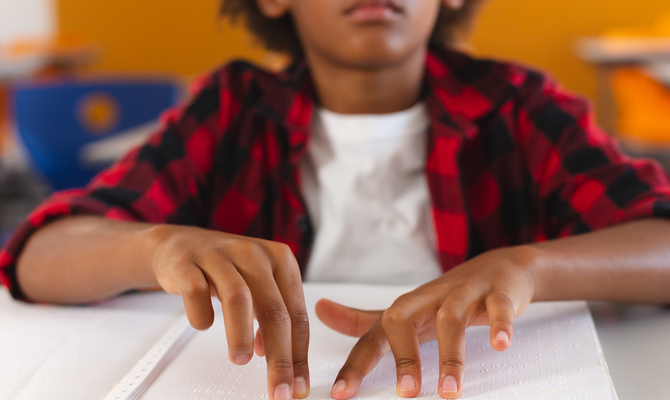
Reading is a fundamental skill that builds the foundation for communication, education, and independence, especially for children. Specifically, learning to read braille equips children who are visually impaired with the tools they need to access information and express themselves confidently. Let’s explore some helpful tips to prepare your child to learn to read braille.
Create an Inclusive Reading Environment at Home
Establishing a supportive environment is one of the first steps to fostering an interest in braille. Start by making your home a space where reading is encouraged and feels natural. Surround your child with a variety of tactile learning materials, such as textured books, raised alphabet cards, or objects labeled with braille. Introducing stories alongside textured or auditory representations is another way to make the experience fun and interactive. By normalizing the presence of braille at home, you help your child associate it with enjoyment and learning rather than an obligation. Consistently communicating the value of reading will nurture their curiosity and excitement for discovery.
Introduce Braille Early and in a Fun Way
The earlier your child becomes familiar with braille, the easier it will be for them to build their skills. Begin with simple activities that make learning tactile characters enjoyable, such as identifying letters on raised cards or playing games like matching braille letters to objects. Incorporating braille into daily routines, like labeling toys or household items, also helps them understand its practical value. Making these early experiences fun will stimulate your child’s interest and help them feel comfortable with braille as part of their daily life.
Encourage Daily Practice and Consistency
Learning braille is a skill that develops over time, which means regular practice is key. Set aside time each day for your child to engage with braille, even if it’s just a few minutes. Repetition builds muscle memory, making it easier for them to distinguish braille letters and symbols by touch. Whether they’re running their fingers over a few words or learning new letters one at a time, consistent practice keeps their progress moving forward. Try to strike a balance between structured learning and informal opportunities, such as reading simple stories together.
Utilize Modern Technology and Resources for Learning Braille
Advancements in technology offer numerous tools to support young learners in their braille journey. Accessible devices like braille tablets or refreshable braille displays make learning engaging. Many apps and programs specifically designed for children can turn skill-building into a game-like experience. Additionally, there are community resources, such as workshops, local support groups, and expert advice, available to provide guidance. By combining hands-on physical learning with innovative tools, you can cater to your child’s interests while maintaining versatility in their education.
Helping your child learn to read braille may come with its challenges, but the rewards are immeasurable. Stay patient, celebrate every milestone, and remember that your support is a key part of their success. Utilize these tips to prepare your child to learn to read braille and watch as they gain the skills and confidence to explore the world through touch and language.