Best Practices for Exploring the Wilderness
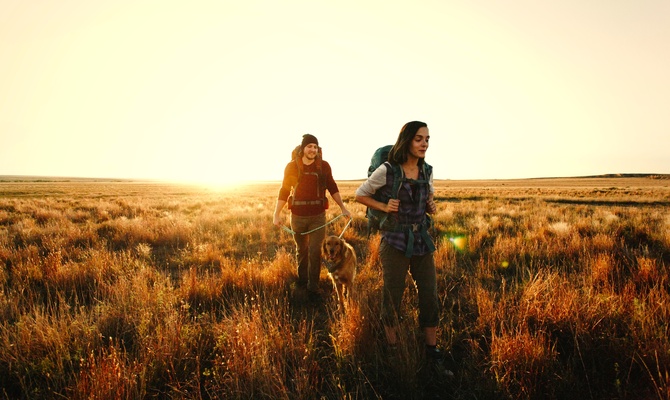
Heading into the wilderness is a great way to reconnect with nature and rejuvenate your spirit. However, without proper planning, it can become overwhelming.
By sticking to best practices for exploring the wilderness, you can stay safe and make the most of your outdoor adventure. Whether it’s a weekend in the woods or a challenging mountain trail, these tips will set you up for a stress-free experience.
1. Research Your Destination Thoroughly
Research is essential before any trip in the wild. Understand the terrain, weather, and wildlife in the area you plan to visit. Read up on the local regulations and trail markers to avoid unnecessary detours. Websites, guidebooks, and park services are excellent resources to find accurate information about your destination.
2. Pack Smart With Essentials
The gear you pack can make or break your experience. Focus on packing navigational tools like maps and a compass, sufficient water or a filtration system, and layers of clothing to handle temperature changes. Don’t forget first aid supplies and a flashlight. Minimalism is beneficial when packing, but never leave out the essentials.
3. Choose the Right Footwear and Clothing
High-quality footwear protects your feet and supports your body for long treks. Trail runners or hiking boots designed for specific terrains will prevent discomfort or injuries. Pair them with moisture-wicking clothing to stay dry, especially when covering long distances. Consider wearing a lightweight hat for sun protection or insulation, depending on weather conditions.
4. Stay Alert to Wildlife and Natural Hazards
It’s important to familiarize yourself with potential hazards in the area. Snakes are common in many regions, so keep an eye on paths, and avoid reaching into spaces where visibility is limited. If you get bitten, remain calm, immobilize the limb, and seek help immediately.
To protect yourself from snake bites, wear protective footwear, stick to clear paths, and stay alert to your surroundings. These are essential tips for safe outdoor exploration.
5. Leave No Trace
Preserving the delicate environment is an important goal for every outdoor enthusiast. Pack out all your trash, avoid disturbing wildlife, and stick to designated trails. These simple practices allow future explorers to enjoy nature in its pristine form.
6. Practice Navigation and Survival Skills
Even with a map or GPS, unexpected challenges, such as weather changes or device failure, can occur. Brush up on survival skills like finding shelter, lighting a fire, and identifying water sources. Such knowledge can empower adventurers when faced with unexpected situations.
7. Share Your Plans
Always inform someone trustworthy about your travel plans, including your intended route and expected return timeframe. This precaution can potentially save lives if you encounter difficulties and require rescue assistance.
Heading into nature requires preparation and mindfulness. By following these best practices for exploring the wilderness, you set yourself up for an enjoyable and safe adventure. For expert tips, gear recommendations, or to join our outdoor community, check out our resources today.