The Ozarks’ Soil Types: What You Need To Know
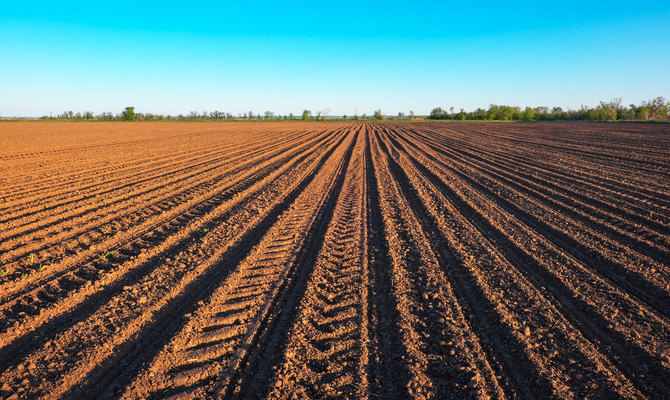
The Ozarks, with its rolling hills and unique geology, boasts some of the most diverse soil types in the United States. For gardeners and farmers, understanding the composition and characteristics of the region’s soil is necessary for optimizing land use.
What you need to know about the Ozarks’ soil types is that they offer a variety of challenges and opportunities. Use the following information to ensure agricultural productivity and environmental sustainability.
Factors Influencing Soil Formation
The physical environment, climate, and underlying geological materials in the Ozarks shape the soils. Much of the region’s soil originates from limestone, dolomite, and shale bedrock. These substances break down over time, thereby altering the soil texture, fertility, and acidity. Chert, found in many soils, can make tillage more difficult.
The region’s rugged terrain also affects soil formation. Steep slopes tend to produce shallow soils prone to erosion, while valleys and depressions accumulate fertile, sediment-rich soils.
The moderate rainfall and temperature in the Ozarks drive organic matter decomposition, resulting in acidic soils with low phosphorus availability. This can present challenges for farmers dealing with nutrient deficiencies.
Common Soil Types in the Ozarks
Farmers can find fragipan soils on ridges and gentle slopes. They have a compacted layer that limits root growth and water drainage.
Sinkhole soils are common in areas with limestone bedrock. They vary in depth due to karst topography, making them less predictable for farming.
Loess-derived soils contain windblown silt. The soils are fertile but highly susceptible to erosion if not managed carefully.
Best Practices for Soil Management
Effective soil management can increase fertility, reduce erosion, and improve crop yields. Below are some of the most important techniques to try:
Cover Crops
Planting cover crops, such as clover and rye, helps minimize erosion, improve soil organic matter, and fix nitrogen levels. Cover crops are particularly beneficial in the winter months when soil is vulnerable to water runoff.
Terracing
Terracing prevents soil loss for areas with steep slopes by creating level planting surfaces. This minimizes erosion and maximizes water retention for crops.
Nutrient Management
Given the low phosphorus levels the soil, applying phosphorus fertilizers and conducting regular soil tests is vital. Compost and organic matter additions can also improve soil structure and fertility.
Why Sludge Sampling Is Key for Wastewater Management
This guide of things you need to know about the Ozarks’ soil types isn’t complete without discussing soil health’s connection to wastewater management. Sludge sampling is key for wastewater management because it helps measure organic matter and nutrient levels in wastewater.
By collecting a sample, farmers can prevent excess nutrient runoff into the Ozarks’ soils, safeguarding the region’s ecosystem and maintaining soil quality. This practice is particularly important for farmers who incorporate treated sludge into their nutrient management plans
Build a Healthy Future for Your Land
With this information about the different types of soils in the Ozarks, gardeners and farmers can apply targeted strategies that unlock the full potential of the region’s land. From addressing fragipan challenges to utilizing cover crops, you can increase your land’s productivity.