What Are Clutch Bearings and Why Are They Important?
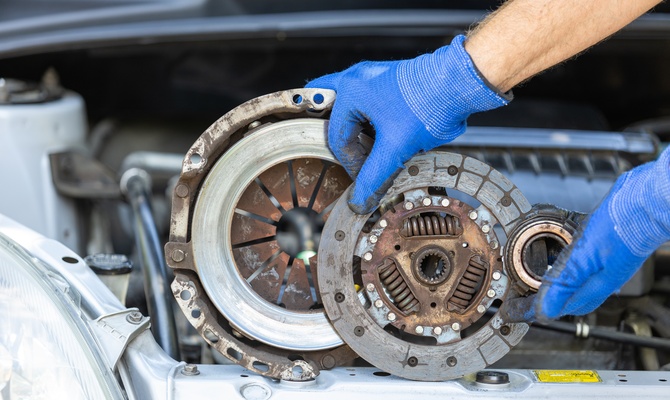
Clutch bearings are small yet pivotal components that contribute significantly to the smooth operation of your vehicle. It’s essential to know the basics and function of clutch release bearings, whether you’re a car enthusiast, DIY mechanic, or everyday vehicle owner. Keep reading to understand what clutch bearings are and why they’re important for your car.
What Is a Clutch Bearing?
A clutch bearing is a mechanical component that facilitates the smooth engagement and disengagement of the clutch system in manual transmission vehicles. It is typically located between the clutch release fork and the pressure plate.
Its main function is to reduce friction by acting as the intermediary that allows the clutch to operate efficiently without the driver feeling resistance. By enabling the clutch to move seamlessly, the clutch bearing ensures that gear shifts are effortless and precise, making for a more enjoyable driving experience.
Types of Clutch Bearings
Clutch bearings come in different types, each intended for specific vehicle systems and designs. The most common are hydraulic and mechanical clutch bearings. Hydraulic clutch bearings, as the name suggests, rely on hydraulic systems to function. They are typically found in modern vehicles and provide efficiency and reduce the need for manual force.
Meanwhile, mechanical clutch bearings use cable-operated systems and are more traditional in design. While they require more manual input from the driver, they are generally easier to repair and maintain. When determining whether hydraulic or mechanical clutch bearings are better for your vehicle, consider your preferences for pedal feel and the high-performance demands on your car.
Why Clutch Bearings Are Important
We’ve discussed what clutch bearings are, but why are they important? The clutch bearing’s primary importance lies in its ability to facilitate the seamless engagement and disengagement of the clutch.
Without a properly functioning clutch bearing, gear shifts can become rough, noisy, and inefficient. This component also reduces undue wear and tear on other clutch parts, such as the clutch disc and pressure plate, by minimizing friction. For vehicles that operate under demanding conditions, a reliable clutch bearing is key to maintaining performance and extending the lifespan of the transmission system.
Signs of a Failing Clutch Bearing
A failing clutch bearing often exhibits warning signs that vehicle owners and mechanics should not ignore. One of the most common symptoms is a grinding or squealing noise when engaging the clutch pedal. This noise is usually a result of greater friction due to wear on the bearing.
Another common issue is the difficulty in shifting gears smoothly. If gear shifts feel stiff or unresponsive, it may indicate that the clutch bearing isn’t functioning properly. Vibrations in the clutch pedal or inconsistent clutch engagement are additional red flags that warrant further inspection.
The Role of Clutch Bearings in Vehicle Performance
Clutch bearings, though small, have an enormous impact on the functionality and longevity of your vehicle’s clutch system. They ensure flowing gear changes, reduce wear and tear on other clutch components, and maintain the overall performance of the transmission system.
Recognizing the symptoms of a failing clutch bearing can save vehicle owners from unnecessary headaches and expenses. For mechanics and car enthusiasts, understanding the importance of clutch bearings underscores their vital role in keeping vehicles running efficiently.