How Welding Automation Improves Medical Device Precision
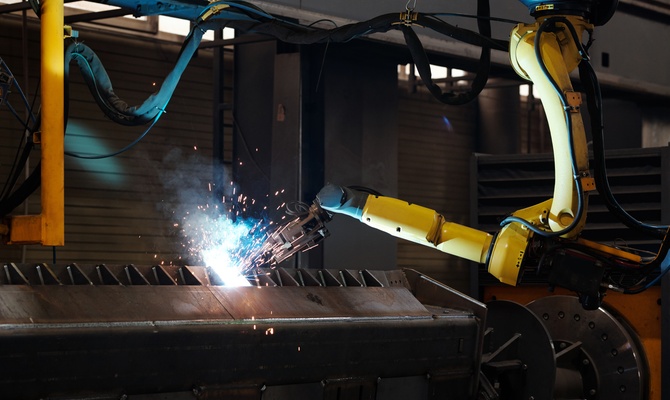
Welding automation transforms manufacturing processes across industries, and medical device production is no exception. Due to the ever-increasing demand for precise, reliable, and high-performing devices, companies are turning to automated welding systems to meet these challenges head-on. Here’s what you need to know about how welding automation improves medical device precision.
Reduced Human Error
Precision is essential for medical devices since a slight imperfection could impact functionality or patient safety. Welding automation delivers unmatched accuracy by helping to eliminate human error. Automated systems work with advanced sensors and real-time monitoring to achieve precise welds that meet the stringent requirements of the medical device industry. For example, laser welding achieves tolerances that manual methods can’t replicate, making it the preferred choice for micro-scale applications such as pacemakers and surgical instruments.
Improved Consistency
Producing large quantities of medical devices with identical specifications poses unique challenges. Automated systems excel here, repeatedly delivering uniform welds across all devices. Technologies such as robotic welding drastically minimize deviations, so every product in a batch meets the same high standards. This level of consistency is crucial as medical devices often require reproducible results during use.
Increased Efficiency
Time is a finite resource, and many industries rely on fast-paced innovation. Welding automation speeds up medical device manufacturing by combining continuous workflows with faster cycle times. Automated processes eliminate the downtime associated with manual intervention, enabling production lines to accomplish more in less time. Companies can scale production without losing precision.
Cost Savings
Automated systems reduce material waste significantly by producing cleaner, more precise welds. At the same time, they lower overhead costs by minimizing the need for manual labor in certain stages of the process. While the initial investment in automation technology may seem hefty, the long-term savings in materials and workforce expenses quickly offset those costs, adding value to businesses.
Meeting Regulatory Compliance
Medical devices must meet some of the highest regulatory standards in manufacturing. Welding automation simplifies compliance with strict guidelines such as ISO 13485 by consistently delivering components that meet these exacting requirements. Automated systems also help generate precise production data, making it easier for manufacturers to prove adherence during audits or certifications. These benefits strengthen trust in the devices and the companies producing them.
Welding automation improves medical device precision by bringing unmatched accuracy, consistency, efficiency, cost savings, and compliance into the production process. The medical device sector is one industry that benefits most from welding automation. Whether it’s creating life-saving surgical equipment or fine-tuning wearable health technology, automation enables businesses to achieve precision and reliability at scale.