The Influence of Temperature on Linear Motion Systems
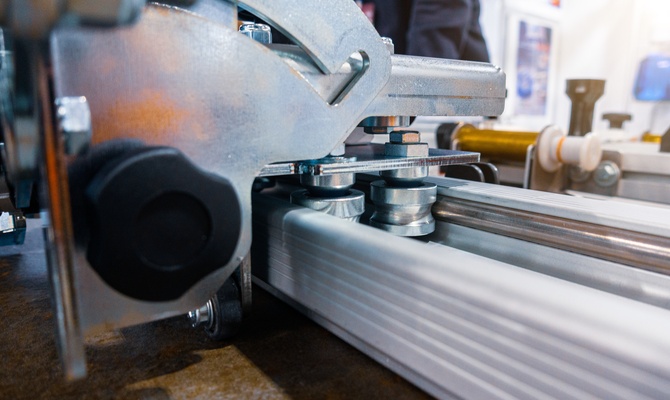
Linear motion systems are critical in modern engineering and automation, driving advancements across manufacturing, robotics, transportation, and medical devices. However, various environmental factors can impact their performance, with temperature changes being one of the most significant.
Whether subjected to extreme cold or heat, temperature fluctuations can affect the behavior of key system components, leading to potential issues such as reduced accuracy, diminished efficiency, and premature wear. Understanding the influence of temperature on linear motion systems will ensure reliable results even under demanding conditions.
Temperature and Material Properties
The materials used in linear motion systems, such as bearings, rails, and screws, can respond to temperature changes in distinctive ways. Elevated temperatures may weaken certain materials, leading to reduced load capacities, while low temperatures can make materials brittle and prone to fractures. Selecting the right materials for the operating environment is critical for ensuring the long-term durability of linear motion systems.
Lubrication Challenges With Temperature
Lubrication reduces wear and friction, but temperature can significantly influence a lubricant’s performance. At high temperatures, lubricants can become less viscous, leading to insufficient coating and increased wear. Low temperatures can cause lubricants to thicken, impeding movement or causing parts to seize up entirely. Synthetic options are ideal for extreme temperatures since they can maintain their consistency and provide effective lubrication over a wider thermal range.
Accuracy and Precision Under Temperature Fluctuations
A thermal shift in a robotic gantry system could result in deviations during operation, compromising performance and product quality. Temperature compensation strategies include real-time monitoring of environmental conditions, incorporating sensors that adapt motion commands based on temperature, and controlling the operating climate when possible. Implementing safety considerations in robotic gantry systems ensures that performance accuracy does not compromise workplace safety, especially under challenging conditions.
Thermal Expansion and Its Impact
Temperature fluctuations can cause thermal expansion or contraction in components. This physical change can lead to misalignments, reduced precision, and mechanical failure. Proper design considerations are integral to maintaining optimal performance. Providing expansion joints where feasible and selecting components with similar thermal characteristics can help mitigate risks associated with dimensional changes due to temperature.
Proactive Maintenance and Monitoring
Regular inspections can help operators identify early signs of wear caused by thermal stress, enabling timely repairs or part replacements. By investing in robust maintenance practices, operators can minimize downtime, enhance the reliability of their systems, and save money in the long run. Advanced predictive maintenance programs using data analytics allow engineers to foresee potential temperature-related issues before they occur.
The temperature on linear motion systems determines their performance, influencing material properties, lubrication, expansion, accuracy, and maintenance needs. By understanding and addressing these factors, engineers and system operators can design more resilient and efficient systems, ensuring peak performance even in challenging environments. Proactively managing temperature-related challenges contributes to the overall success of modern technologies while also safeguarding operational safety and effectiveness.