Why Choosing the Right Surgical Tool Is Critical
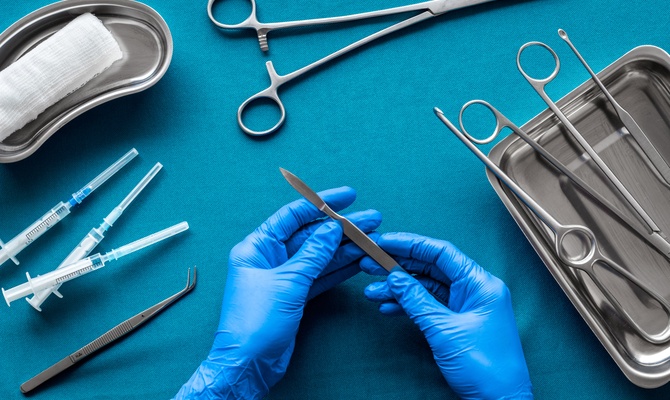
Medical professionals face countless decisions daily, from patient diagnoses to treatment protocols. Yet one decision that significantly impacts surgical outcomes often receives less attention than it deserves. Selecting the right surgical tool is crucial for ensuring patient safety, optimizing procedure efficiency, and achieving overall surgical success.
Each surgical procedure requires specific tools designed for the task, the anatomical region, and the type of tissue. Let’s take a moment to see why selecting the correct tools matters.
Understanding Surgical Tool Categories
Different surgical procedures require specific instruments, such as scalpels, forceps, scissors, and clamps, each designed for a particular use. Scissors come in various types—like curved or straight—which are used for different purposes. Some are straight for precise cuts, while others are curved for better control. Forceps range from delicate microsurgical tools to strong clamps used for major vessels.
The choice of material also affects how the tools perform: stainless steel is durable, titanium is lightweight and biocompatible, and disposable plastics are used for single-use scenarios where maintaining sterility is essential.
Precision Requirements Drive Tool Selection
Surgical precision demands matching instruments to each task. Microsurgery requires fine, lightweight tools to minimize hand fatigue, while orthopedic procedures necessitate sturdy instruments for precise bone and tissue manipulation.
Hand size and grip preference also influence tool choice; comfortable, balanced instruments improve control and reduce the risk of mishandling.
Visual access impacts selection: Straight scissors suit surface procedures with clear sight, whereas curved scissors grant better access in deep or delicate areas by keeping the hand out of view.
Impact on Patient Safety
Choosing the right tools greatly influences patient safety. Sharp, properly maintained instruments provide clean cuts that promote better healing. Correct sizing prevents tissue damage. Wrong tools cause complications—oversized tools cause trauma, undersized tools are ineffective, increasing operation time and infection risk.
Sterility matters: Reusables require proper sterilization, while disposables minimize cross-contamination but may perform differently.
Operational Efficiency Considerations
The right surgical tools help streamline procedures and cut down operating times. When surgeons have the proper instruments, they can work more efficiently and confidently, which improves patient outcomes and benefits healthcare operations. Standardizing instrument sets for common procedures enables surgical teams to prepare more effectively, as knowing which tools to expect helps anticipate the surgeon’s needs and maintains a smooth workflow.
Training requirements vary depending on the instrument’s complexity, with some specialized tools needing extensive training to operate safely. Healthcare facilities must weigh the advantages of advanced instruments against the time and costs associated with staff training.
Making the Right Choice for Each Situation
Selecting the right surgical instruments requires a careful evaluation of several key factors. The necessary tools depend on the anatomical area, tissue characteristics, and procedure complexity. Surgeons should consider their experience and comfort with instruments. Consulting experienced colleagues can help choose the best tools.
Many surgical fields have established protocols that recommend instruments for common procedures, serving as useful starting points. Tracking one’s experiences with different instruments enables surgeons to make more informed decisions for future surgeries.
Surgical Success Starts with Smart Tools
Selecting the right surgical tool is crucial for achieving optimal patient outcomes and procedural efficiency. Prioritizing the use of proper instruments supports better results, fewer complications, and improved operational performance. Assess your current tools to confirm they fulfill the requirements of your procedures and your dedication to high-quality care.