Understanding the Purpose of a Tonometry Test
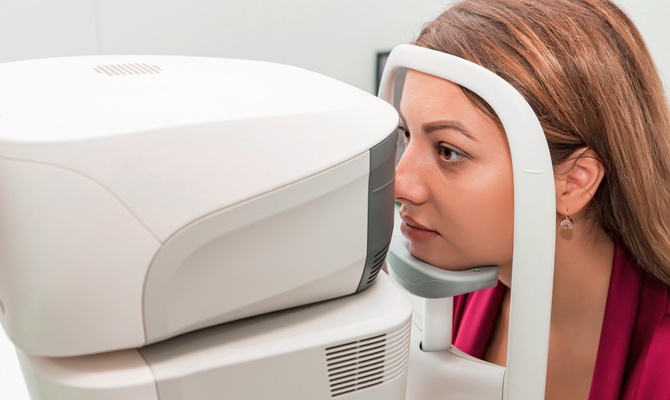
Tonometry plays a crucial role in maintaining eye health, serving as a fundamental tool for diagnosing and monitoring various conditions that can impact vision. This procedure measures the pressure inside the eye and is essential for early detection of eye-related diseases and ensuring ongoing ocular health. Continue reading to understand the purpose of a tonometry test and its value in comprehensive eye care.
Diagnosing Glaucoma
Glaucoma remains one of the leading causes of irreversible blindness, and tonometry is central to its early detection. Elevated intraocular pressure (IOP) is a significant risk factor for glaucoma, and tonometry provides an accurate measurement of this pressure. Often, catching the condition in its early stages enables treatment to prevent further vision loss. Regular tonometry exams can help identify individuals at risk before symptoms even begin.
Monitoring Intraocular Pressure (IOP)
Tonometry becomes an essential part of ongoing care for individuals already diagnosed with glaucoma. Monitoring Intraocular pressure (IOP) helps health-care providers monitor the effectiveness of treatments, such as medications or surgical interventions designed to manage IOP. Consistent monitoring is key to stabilizing the condition and protecting the optic nerve over time.
Assessing Risk Factors
A common misconception about tonometry is that it exclusively monitors glaucoma. However, tonometry can provide valuable insights into potential risk factors that could lead to ocular issues down the road, even if you do not have glaucoma. Elevated IOP doesn’t always signify glaucoma, but could be a precursor or an indicator of other eye health concerns. Regular testing enables eye care professionals to track trends in eye pressure over time and assess whether a patient is moving into a higher-risk category.
Routine Eye Exams
Tonometry is often a standard part of routine eye exams, even for individuals without existing eye conditions. Routine eye exams allow eye doctors to promptly identify and address any changes in intraocular pressure. By including tonometry in standard exams, individuals can maintain preventative care, enabling early detection of concerns that could otherwise go unnoticed.
Evaluating Eye Trauma
Eye injuries or trauma can sometimes result in spikes in intraocular pressure, which may lead to complications if left untreated. Doctors use tonometry to evaluate patients who’ve experienced direct injury to the eye, as elevated pressure could indicate swelling, bleeding, or damage that requires immediate attention.
The Importance of Regular Tonometry
Understanding the purpose of a tonometry test is vital for safeguarding one’s vision and ensuring long-term eye health. Its role in diagnosing glaucoma, monitoring IOP, identifying risk factors, and addressing eye trauma underscores its significance in comprehensive eye care. Scheduling routine tonometry assessments with your eye care provider is an easy yet powerful step in protecting your sight today and in the future.