Breaking Down and Exploring Rigging Load Limits
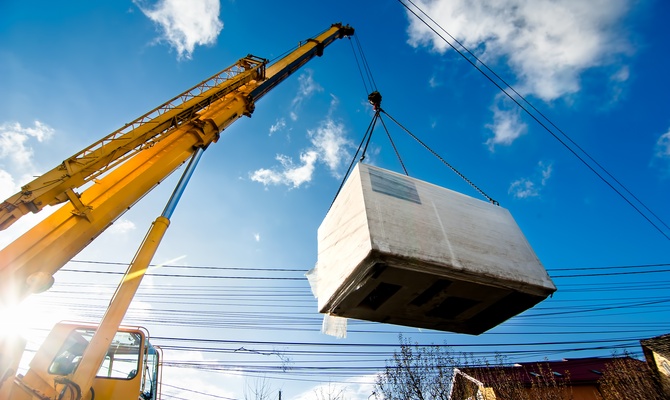
Understanding rigging load limits can mean the difference between a successful lift and a catastrophic failure. Construction managers, retailers, and workers frequently handle heavy loads, making this knowledge essential for every operation.
This guide explores how proper load limit management protects personnel and equipment while maintaining operational efficiency.
What Are Rigging Load Limits?
Rigging load limits define the maximum weight capacity that equipment can safely handle during lifting operations. The Working Load Limit (WLL) represents the maximum load you should apply to equipment under normal conditions. Breaking strength indicates the actual force required to cause equipment failure, while the safety factor provides a buffer between these two measurements.
These specifications protect workers from equipment failure. Manufacturers test their products extensively to establish these limits, ensuring reliable performance when operators follow guidelines correctly.
Why Load Limits Matter
Exceeding load limits creates immediate danger. Equipment failure can result in dropped loads, serious injuries, or fatalities. Breaking down rigging load limits helps prevent these accidents by establishing clear boundaries for safe operation.
Proper adherence to load limits significantly extends equipment life. Overloading causes premature wear, reducing the useful life of expensive rigging hardware. Following manufacturer specifications protects your investment while maintaining consistent performance standards.
Types of Equipment and Their Limits
Chain slings offer high strength and durability, typically handling heavier loads than other materials. Web slings provide flexibility and surface protection but have lower weight capacities. Round slings combine moderate strength with excellent load distribution characteristics.
Shackles and hardware components each carry specific load ratings that must align with your lifting requirements. Material composition affects these ratings significantly, with alloy steel generally offering higher capacities than standard carbon steel alternatives.
Factors Affecting Load Capacity
Load angle dramatically impacts equipment capacity. A 60-degree sling angle reduces capacity by approximately 50% compared to vertical lifts. Wider angles create exponentially higher forces, requiring careful calculation and planning.
Environmental conditions also influence load limits. Temperature extremes, chemical exposure, and UV radiation can cause materials to degrade over time.
Determining Correct Load Limits
Calculate your actual load weight including any dynamic forces from movement or wind. Account for load distribution across multiple attachment points, ensuring no single component exceeds its rated capacity.
Manufacturer specifications provide essential guidance for proper selection. Load charts and technical documentation help match equipment capabilities with your specific requirements.
Leveraging Technology for Load Management
Modern rigging software revolutionizes load limit management by providing precise calculations and equipment recommendations.
The use of rigging software in lifting operations allows crews to simulate real-world lifting scenarios, identify potential risks, and select the right rigging gear before the job even starts. With features like load calculators, angle adjustments, and real-time modeling, this technology enhances efficiency and jobsite safety.
Best Practices for Safe Operations
Training programs ensure operators understand load limit principles and application methods. Regular equipment inspections identify wear patterns and potential failures before they occur.
Select appropriate rigging gear based on load characteristics and environmental conditions. Match equipment ratings to actual requirements while maintaining adequate safety margins for unexpected situations.
Protecting Your Operation Through Knowledge
Breaking down rigging load limits reveals their critical importance in maintaining safe, efficient lifting operations. Understanding these principles protects workers, equipment, and business continuity. Prioritize safety through proper training, regular inspections, and adherence to manufacturer specifications for successful operations.