3 Ways To Practice Your Spray Drone Operating Skills
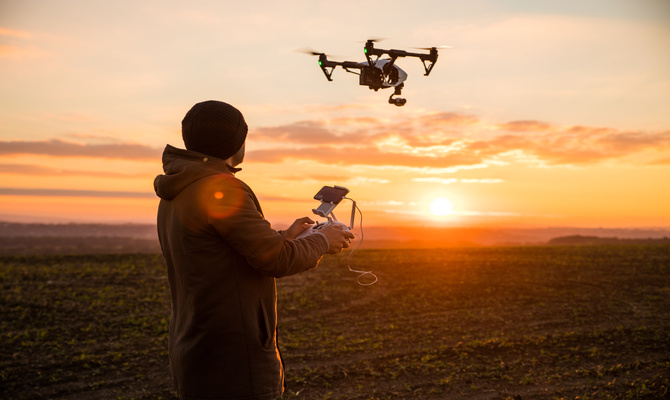
Operating spray drones requires precision, skill, and continuous practice to ensure safe and effective agricultural applications. Whether you’re new to drone operations or looking to refine your technique, developing your abilities through structured practice is essential for success in this field.
Mastering spray drone operations involves understanding flight patterns, calibrating equipment, and maintaining consistent coverage across different terrain types. Regular practice builds muscle memory and confidence while reducing the risk of costly mistakes during actual field operations.
Utilize Flight Simulation Software
Flight simulation programs offer a risk-free environment to practice your spray drone operating skills. These digital platforms allow you to practice complex maneuvers, emergency procedures, and various weather conditions without the expense of fuel or equipment wear.
Modern simulation software includes realistic physics engines that accurately represent how spray drones respond to wind conditions, payload changes, and different flight speeds. Many programs also feature different aircraft models, allowing you to familiarize yourself with various drone specifications before operating them in the real world.
Virtual training sessions help you understand flight planning software, GPS waypoint navigation, and automated spray patterns. This digital practice builds foundational skills that translate directly to field operations.
Conduct Regular Field Training Sessions
Hands-on field practice is irreplaceable for developing real-world spray drone skills. Start with simple rectangular fields using water instead of chemicals to practice your spray patterns and coverage consistency. Focus on maintaining the ideal altitude, speed, and overlap between spray passes.
Being a safe spray drone operator requires understanding how environmental factors affect your equipment performance. Practice flying during different times of day to experience varying wind conditions, temperature changes, and visibility challenges.
Work with experienced operators who can observe your technique and provide immediate feedback. They can identify areas for improvement that you might not notice while concentrating on flight controls. Record your practice sessions to review flight paths and identify inconsistencies in your spray coverage patterns.
Participate in Professional Development Programs
Professional instructors can teach advanced techniques to practice your spray drone operating skills that they have refined over years of field work. You’ll learn about different nozzle types, spray drift management, and calibration procedures for various chemical applications.
Many programs also provide access to different drone models and spray systems, expanding your operational versatility. Certification courses often include written examinations and practical flight tests that validate your competency levels. These credentials demonstrate your commitment to professional standards and can enhance your credibility with potential clients or employers.
Continuous Improvement Through Practice
Developing expertise in spray drone operations requires dedication and consistent effort across multiple practice methods. Combining simulation training with field experience and formal education creates a comprehensive skill development approach that addresses both technical proficiency and practical application knowledge.
Regular practice sessions maintain your skills and adapt to new technologies as the industry evolves. Consider joining operator networks or professional associations where you can share experiences and learn from other practitioners in your field.