What Makes a Flagpole Heavy-Duty Anyway?
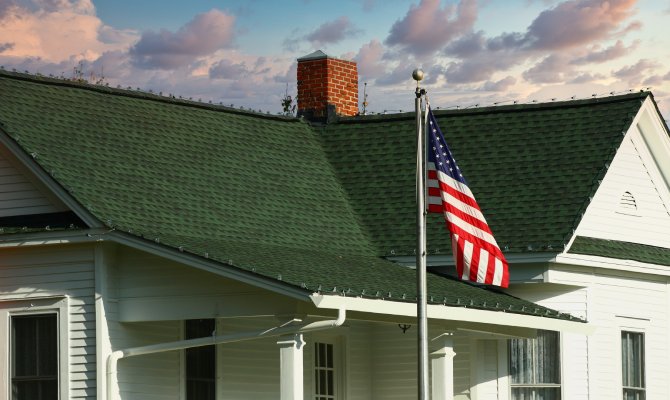
Have you ever wondered what separates a standard flagpole from one built to withstand high winds, harsh weather, and years of use? The phrase “heavy-duty” gets thrown around a lot, but knowing exactly what makes a flagpole heavy-duty anyway can help you make a smarter, longer-lasting investment.
Whether you’re a homeowner proudly flying the Stars and Stripes or a business needing a reliable commercial display, understanding the key features of a true heavy-duty flagpole ensures you choose strength, stability, and durability from the start.
What Does “Heavy-Duty” Actually Mean?
A heavy-duty flagpole is defined by its strength, resistance to weather, and long-term durability. Many people assume any tall metal pole is heavy-duty, but this is a common misconception. True strength comes from specific design features, not just height or material.
The most important factors include the flagpole’s wall thickness, the material it is made from, and its wind load rating.
Material Matters: Aluminum vs. Steel
The choice between aluminum and steel significantly impacts a flagpole’s performance. Aluminum is a popular choice for residential settings because it is lightweight and naturally resistant to rust. This makes it easy to install and maintain.
Steel, on the other hand, is much heavier and stronger. Its superior strength makes it the preferred material for commercial properties or regions that experience extreme weather conditions.
Why Wind Rating Is Critical
A flagpole’s wind speed rating indicates the maximum wind speed it can withstand without damage. This specification is crucial for ensuring your flagpole is appropriate for your local climate.
A pole rated for high winds will provide peace of mind during storms, preventing bending or breaking. This factor is especially important for businesses that fly larger flags, as a bigger flag catches more wind and puts greater strain on the pole.
The Mounting Method Makes a Difference
Flagpoles typically come in two mounting styles: ground-mounted and wall-mounted. Ground-mounted flagpoles offer natural stability, especially when installed with a proper foundation sleeve and set in concrete. But that doesn’t mean wall-mounted options can’t hold their own if you install them right.
The key challenge with wall-mounted flagpoles lies in anchoring them securely to the structure. Without proper support, high winds or constant movement can loosen the hardware or even rip the pole away from the wall.
To avoid costly damage or safety hazards, make sure you properly secure a heavy-duty wall-mounted flagpole using the correct tools, hardware, and techniques.
Telescoping Flagpoles: Can They Be Heavy-Duty?
Telescoping flagpoles offer a convenient, adjustable design that has become popular with homeowners. These poles allow you to change their height easily, but not all are created equal.
High-quality telescoping flagpoles can indeed be heavy-duty if they are constructed with thick-gauge aluminum and robust locking mechanisms. They provide an excellent combination of strength and flexibility for residential users who want a durable yet versatile flagpole.
Choosing the Right Heavy-Duty Flagpole
Now that you know what makes a flagpole heavy-duty, you can make a more informed decision. Remember to consider the wall thickness, material, and wind rating in relation to your specific needs and environment. Investing in a quality flagpole ensures you can fly your flag with pride, confident that your pole will stand strong against the elements for a long time.