Top Tips for Maintaining a Safe Livestock Farm
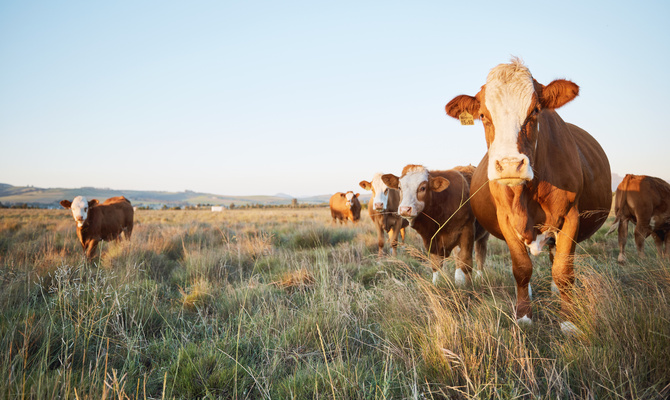
A safe and secure environment is the foundation of any successful livestock operation. Keeping your animals healthy and your farm running smoothly requires constant vigilance and proactive management. By prioritizing safety, you protect your valuable livestock and ensure the long-term sustainability of your farm. This guide offers four top tips for maintaining a safe livestock farm.
1. Conduct Regular Health Checks
Proactive animal healthcare is essential for preventing the spread of disease and identifying potential issues before they become serious. Schedule routine visits with a trusted veterinarian to perform comprehensive health screenings and administer necessary vaccinations. In addition to professional check-ups, make it a daily habit to monitor your animals for any signs of illness or injury, such as changes in behavior, appetite, or appearance. Early detection and prompt treatment are key to maintaining a healthy and productive herd.
2. Ensure Secure and Well-Maintained Fencing
Reliable fencing is your first line of defense in protecting your livestock from predators and preventing them from wandering into dangerous areas. Regularly inspect all your fence lines for damage, such as loose wires or broken posts, and make repairs immediately to prevent breaches. It’s also important to use the right type of fencing for your specific livestock; what works for cattle may not be suitable for smaller animals like sheep or goats. If your current system is showing signs of wear, it might be time to upgrade your livestock fencing to a more durable and secure solution.
3. Properly Store Feed and Supplies
The way you store feed and farm supplies can have a significant impact on animal health and safety. Store all animal feed in sealed, airtight containers to protect it from moisture, pests, and mold, which can cause serious health problems if ingested. Keep all chemicals, medications, and equipment in a separate, secure, and dry location that is inaccessible to your animals. Proper organization prevents accidental consumption of harmful substances and makes your daily operations more efficient.
4. Implement Strict Biosecurity Measures
Biosecurity measures are crucial for preventing the introduction and spread of diseases on your farm. Control who has access to your property by establishing clear entry points and requiring visitors to follow specific protocols. A simple but effective practice is to have a sanitizing station for boots and equipment at the entrance to your farm. Additionally, always clean and disinfect any shared equipment or vehicles before and after using them. Consistent biosecurity practices are one of the most effective ways to safeguard your entire herd.
By following these top tips for maintaining a safe livestock farm, you can create a secure and thriving environment for your animals. Implementing these practices will help you protect your investment and ensure your farm operates smoothly for years to come.