Adapting Your Fall Protection Strategy for Winter Conditions
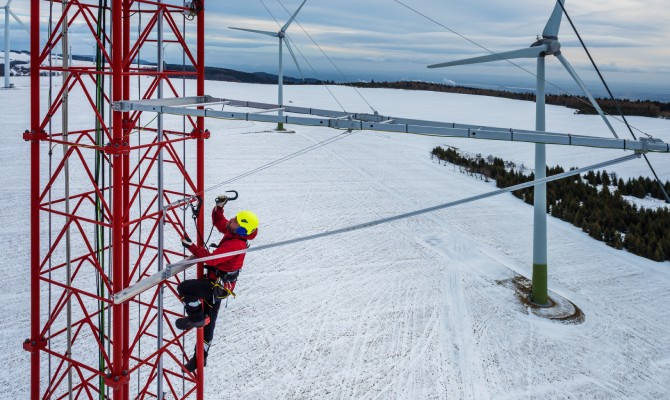
Construction and maintenance projects often continue year-round, regardless of the forecast. While snow, ice, and biting winds present distinct challenges, they do not have to halt progress on your jobsite—you simply need to modify your daily routines and equipment choices. By adapting your fall protection strategy for winter conditions, your team can maintain productivity and safety throughout the coldest months.
Inspect Gear for Freeze Damage
Equipment reacts differently when the temperature drops. Metal components can become brittle, and moisture inside self-retracting lifelines can freeze, causing the mechanism to lock up or fail. Before anyone climbs, perform a rigorous inspection of all fall protection gear.
Check snap hooks and carabiners to ensure the gates open and close freely. If you find any ice buildup, thaw and dry the equipment completely before use. Nylon webbing and synthetic ropes can also absorb moisture, which means they become stiff and may lose strength if they freeze. Store your gear in a dry, temperature-controlled area overnight to prevent this issue.
Clear Surfaces and Manage Traction
Snow and ice hide hazards on work surfaces. A rooftop that offers solid footing in July becomes a slippery slope in January. You must remove snow immediately before work begins since clearing the area reveals skylights, trip hazards, and the edge of the roof.
Once you clear the snow, treat the area to improve traction. Use sand or eco-friendly de-icers that won’t degrade the roofing material. Remember that a slip often precedes a fall, so by securing the footing, you reduce the likelihood of a worker engaging their fall arrest system.
Adjust Personal Protective Equipment
Winter work requires extra clothing, but bulky layers can interfere with the proper fit of a full-body harness. If a worker wears a thick parka under their harness, the coat will compress during a fall arrest event. This creates slack in the straps, potentially allowing the worker to slip out of the harness.
Encourage staff to wear thin, thermal layers so the harness fits snugly against the body. If a worker needs heavy outerwear, they should wear the harness underneath the coat, provided the coat has a pass-through for the dorsal D-ring.
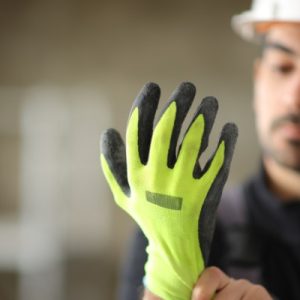
You must also consider extremities. Hands need dexterity to manipulate hooks and tools, but they also require warmth to prevent frostbite. To meet both needs, use insulated gloves with grip enhancements. Another critical safety tip to follow while working at height is to wear insulated boots with heavy treads that grip slick rungs and icy scaffolding.
Watch the Weather and Visibility
Winter days are short and darkness creeps in early, reducing visibility and making it harder for workers to see leading edges or trip hazards. Plan your most critical tasks for the brightest part of the day. If work extends into the evening, set up high-quality task lighting.
Wind chill is another major factor. Strong winds on an elevated platform can knock a worker off balance. Monitor the forecast constantly; if wind speeds exceed safe limits or if the wind chill poses an immediate frostbite risk, pause the work until the weather improves.
Stay Warm and Stay Safe
Winter weather requires vigilance, but it is manageable. By respecting the elements and adapting your fall protection strategy for winter conditions, you keep workers safe and secure. Keep the communication lines open, watch out for one another, and keep moving forward.