4 Things You Can’t Overlook When Hauling Heavy Equipment
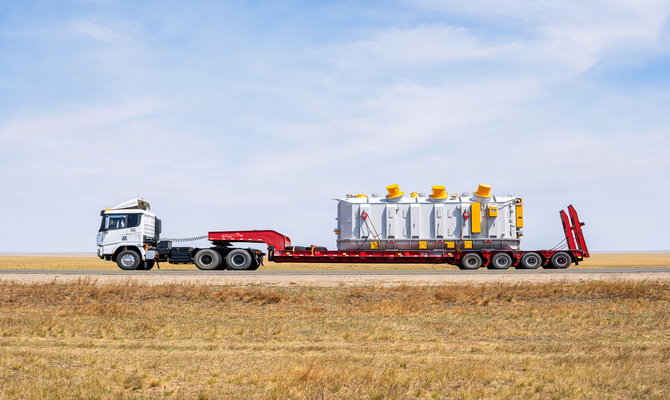
Transporting massive machinery involves far more than simply loading a bulldozer onto a trailer and driving away. The stakes are high: a single mistake can lead to catastrophic accidents, costly damage, or severe legal penalties.
If you manage logistics or operate the rig yourself, mastering the details keeps both the cargo and the public safe. Below are the key things you can’t overlook when hauling heavy equipment.
1. Securement Strategies
Gravity alone will not keep an excavator in place during transit. Proper securement serves as the first line of defense against shifting loads, which can destabilize the truck and cause accidents. Tie-downs, chains, binders, and straps must meet working load limits to withstand forces the cargo generates during braking, turning, and acceleration.
Federal regulations, such as those from the Department of Transportation (DOT), dictate strict standards for cargo securement. You must verify that all anchor points on the equipment and trailer are secure. A minimum requirement for heavier pieces is typically a four-point tie-down system, but adding extra securement provides a necessary safety margin.
2. Route Planning
A standard GPS will not account for the unique challenges of heavy haul transport. This is why a route survey when moving heavy equipment is important. Low bridges, weight-restricted roads, and narrow turns can turn a routine delivery into a logistical nightmare. Analyzing the route in advance helps you avoid obstacles that could trap your vehicle or damage infrastructure.
Identifying potential hazards also involves checking for construction zones and anticipated traffic patterns. Comprehensive planning mitigates these risks, ensuring you stick to roads that can legally and physically accommodate your load.
3. Equipment Inspection
Another thing you can’t overlook when hauling heavy equipment is a thorough inspection before embarking on the route. A mechanical failure during a heavy haul can leave a massive load stranded on the side of a highway. You must perform rigorous pre-haul equipment checks on both the transport vehicle and the machinery you’re moving.
Inspect tires for proper inflation and tread depth, test the braking systems, and ensure all lights function correctly. Maintenance schedules should be up to date for every vehicle. Verifying the condition of the trailer deck is also crucial, as it must support immense weight without compromising structural integrity.
4. Driver Qualifications
The best equipment in the world means nothing without a skilled operator behind the wheel. Hauling heavy equipment requires special certifications and extensive training beyond a standard commercial driver’s license. Drivers must understand the physics of heavy loads, including how weight distribution affects braking distance and turning radius.
Experience plays a pivotal role in safety. Seasoned drivers recognize the feel of a shifting load and know how to react in emergencies. Companies should prioritize hiring professionals with a deep understanding of heavy-haul dynamics.
Conclusion
Transporting heavy machinery is a complex task that leaves no room for error. By prioritizing securement, route planning, equipment inspection, and driver qualifications, you protect your investment and stay safe on the road. Review your hauling protocols today to confirm that your operations meet the highest standards of safety and efficiency.