Solenoid Valve Uses in Medical Device Design
Medical devices rely on control, consistency, and clean performance. Every component has to support those goals, especially when a device moves air, gas, or liquid through a small and highly controlled system.
That’s where solenoid valves come in. These compact parts help medical devices manage flow with speed and precision. From diagnostic equipment to treatment systems, they give designers a reliable way to open, close, and direct media inside the device. Continue reading to explore more about the solenoid valve uses in medical device design.
Why They Matter
A solenoid valve uses an electromagnetic coil to control movement inside the valve body. When power reaches the coil, the valve shifts position and changes the flow path. That quick response makes it useful in medical settings where timing and accuracy matter.
Designers often choose solenoid valves because they fit into compact equipment and support repeatable operation. They also work well in automated systems, which helps devices perform the same task over and over without manual adjustment.
Fluid Control
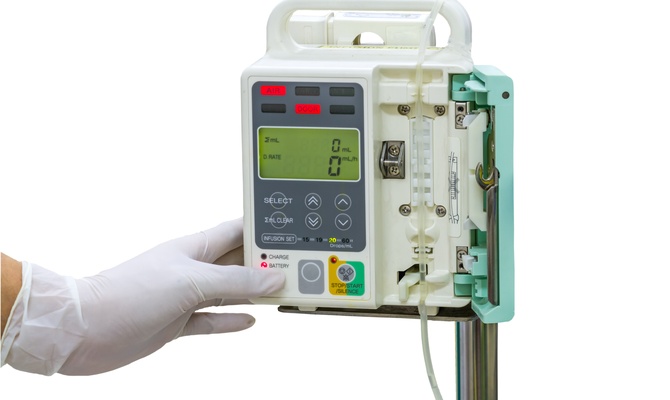
Many medical devices need precise liquid handling. Infusion pumps, sample analyzers, and drug delivery systems all depend on controlled movement through tubing and chambers. In these applications, solenoid valves are important for fluid dispensing systems because they help regulate when liquid starts, stops, or changes direction.
That level of control helps the device deliver accurate volumes and maintain a stable process. It also supports cleaner operation by limiting leaks, drips, and unwanted flow between cycles.
Air and Gas Management
Medical device design often involves more than liquids. Ventilators, oxygen delivery systems, and respiratory therapy equipment all rely on controlled air or gas flow. Solenoid valves help manage those paths with fast switching and dependable performance.
They can isolate sections of a system, release pressure, or route gas to a specific chamber or outlet. That makes them valuable in devices that need smooth and responsive control during treatment or monitoring.
Support for Diagnostics
Diagnostic devices require reliable internal flow to transport samples and reagents through testing stages. Even minor variations in timing or volume can impact performance. Solenoid valves ensure those internal processes remain consistent.
They also support automated sequences, enabling diagnostic equipment to perform multiple steps with minimal user input. This is important in clinical settings where speed and consistency can enhance workflow.
Design Considerations
When engineers select a solenoid valve for a medical device, they consider more than just size and switching speed. They also evaluate material compatibility, power consumption, pressure range, and how the valve will perform over time. Often, the valve must handle sensitive media while fitting into a compact housing.
Noise, heat, and cleaning requirements can also influence the decision. A valve that works well in an industrial setting might not be suitable for a medical application with stricter design requirements.
Final Thoughts
Medical devices require components that can handle complex and highly controlled tasks. Solenoid valves enable this by precisely and reliably managing fluid, air, and gas flow.
For designers working on modern medical equipment, these solenoid valves provide a practical way to enhance control and ensure reliable operation. When the right valve aligns with the specific application, the entire device can perform more confidently.