Industrial Coatings for the Food and Beverage Industry
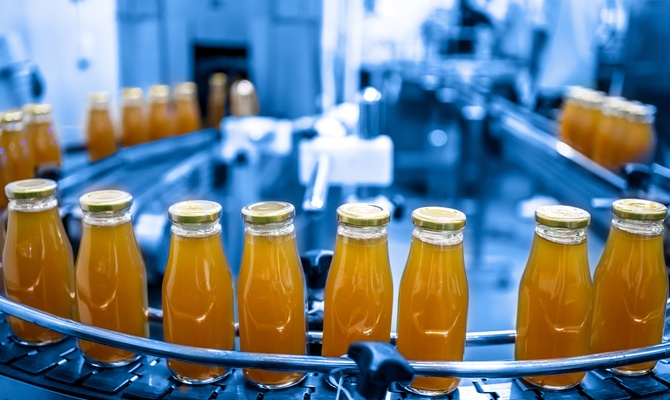
Industrial coatings for the food and beverage industry play a critical role in maintaining safety, efficiency, and durability within processing environments. Facilities in this sector face constant exposure to moisture, chemicals, temperature fluctuations, and strict sanitation protocols, all of which can degrade unprotected surfaces over time.
Proper coatings act as a protective barrier that helps preserve structural integrity while supporting regulatory compliance. By applying the right systems to floors, walls, and equipment areas, manufacturers can create environments that resist contamination and stand up to continuous use without compromising performance.
Protection Against Harsh Conditions
Food and beverage facilities operate under conditions that quickly wear down standard materials. Surfaces endure frequent washdowns, chemical cleaners, and heavy foot or machinery traffic. High-performance coatings provide resistance to corrosion, abrasion, and thermal shock, ensuring that surfaces remain intact even in demanding conditions.
These coatings also prevent moisture from seeping into substrates, which can lead to cracks, bacterial growth, or structural damage. When properly applied, coatings extend the lifespan of facility surfaces and reduce the need for frequent repairs.
Supporting Hygiene and Sanitation
Maintaining cleanliness in production environments requires surfaces that are easy to sanitize and resistant to contamination. Seamless coatings eliminate joints and crevices where bacteria can accumulate, making routine cleaning more effective.
Smooth, non-porous finishes prevent liquids and residues from penetrating surfaces, which helps maintain a hygienic environment. Facilities that invest in professional industrial coating services often achieve higher sanitation standards while reducing downtime associated with deep cleaning or remediation efforts.
Enhancing Safety and Compliance
Safety remains a top priority in food and beverage operations, and coatings contribute significantly to achieving this goal. Slip-resistant finishes improve traction in wet areas, helping reduce the risk of workplace accidents. Bright, reflective coatings can also improve visibility, making it easier for employees to navigate busy production spaces.
In addition, coatings must meet strict regulatory requirements related to food safety and environmental standards. Selecting compliant materials ensures that operations align with industry guidelines and avoid costly violations.
Improving Operational Efficiency
Durable coatings support efficiency by minimizing disruptions caused by surface deterioration. When floors or walls degrade, facilities often need to halt production for repairs, which impacts productivity. High-quality coatings reduce the frequency of these interruptions by maintaining their integrity under constant use.
They also simplify maintenance routines, allowing staff to clean surfaces quickly without compromising effectiveness. Over time, this reliability contributes to smoother operations and more consistent output.
Long-Term Value and Sustainability
Investing in advanced coating systems provides long-term financial and environmental benefits. Durable coatings reduce the need for frequent replacements, which lowers material consumption and labor costs.
Many modern coatings also incorporate environmentally responsible formulations that align with sustainability goals. By choosing solutions that last longer and perform better, facilities can reduce waste while maintaining high standards of performance.
Building Safer and More Reliable Food Production Environments
Industrial coatings for the food and beverage industry deliver essential protection, improve hygiene, and support efficient operations in challenging environments. By selecting the right coating systems and ensuring proper application, facilities can maintain compliance, extend surface life, and create safer, more reliable production spaces.