5 Challenges Healthcare Workers Face In Rural Areas
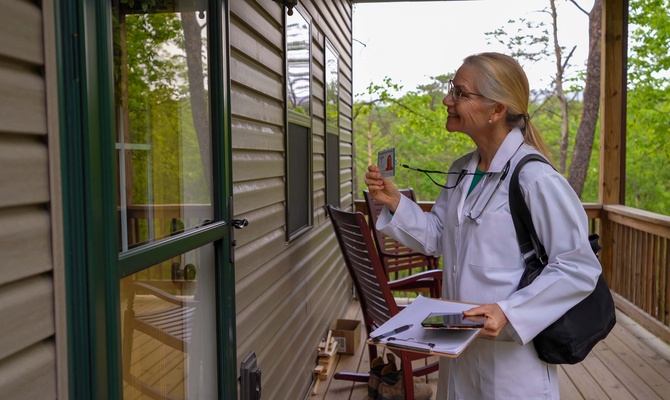
Access to quality care is an ongoing concern in small towns across Missouri. Clinics and hospitals in areas such as Dixon often depend on limited staff to address a broad spectrum of needs.
The difficulties faced by healthcare workers in rural settings influence how care is provided, particularly when resources and staffing are scarce. Below are five common challenges healthcare workers encounter in remote locations.
Limited Staffing and Workforce Shortages
Rural healthcare facilities rarely operate with large teams. Many depend on a small group of professionals who must cover multiple responsibilities throughout the day. A nurse may handle patient intake, assist with treatment, and manage administrative duties within the same shift.
Recruitment adds another layer of difficulty. Larger cities attract more medical professionals due to higher salaries and access to specialized facilities. Rural clinics often struggle to compete, which leads to longer hours and increased pressure on existing staff.
Access to Specialized Care
Patients in rural communities often need services that local clinics cannot provide. Specialists such as cardiologists, oncologists, and anesthesia providers typically work in urban centers. This gap forces healthcare workers to coordinate referrals and manage care across long distances.
Travel becomes part of the care process. Patients may need to drive for hours to appointments, which can delay treatment or reduce the number of follow-up visits. Local providers must stay organized to maintain continuity of care.
Resource and Equipment Limitations
Smaller facilities often operate within strict budgets. This affects access to updated medical equipment, advanced technology, and even everyday supplies during busy periods.
Healthcare workers must make careful decisions about how to use what they have. That level of responsibility can increase stress, especially during emergencies when resources matter most.
Increased Professional Responsibility
Rural providers often manage a broader scope of care than those in larger systems. A single practitioner may treat a wide range of conditions without immediate access to specialist input.
This reality also brings attention to malpractice risks for nurse anesthetists, particularly in environments where fewer colleagues are available for consultation. Broader responsibilities require careful decision-making and strong attention to detail to maintain patient safety.
Community Expectations and Relationships
Healthcare workers in small towns often treat people they know. That familiarity can build trust, but it also creates added emotional responsibility. Providers must balance professional boundaries while remaining part of the same community.
At the same time, those relationships can encourage patients to seek care earlier, which supports better outcomes.
Key Pressures Rural Providers Navigate
- Covering multiple roles within limited staff structures
- Coordinating care without nearby specialists
- Managing limited equipment and supplies
- Balancing professional duties with close community ties
Supporting Rural Healthcare in Missouri
Healthcare workers in towns like Dixon carry a wide range of responsibilities each day, often without the staffing or resources found in larger systems. Those demands shape how care gets delivered, from routine visits to urgent situations.
The challenges healthcare workers face in rural areas continue to influence access, wait times, and the overall patient experience. Strengthening local healthcare depends on recognizing these pressures and finding practical ways to support the people who keep these systems running.