4 Common Dangers of Lithium-Ion Batteries
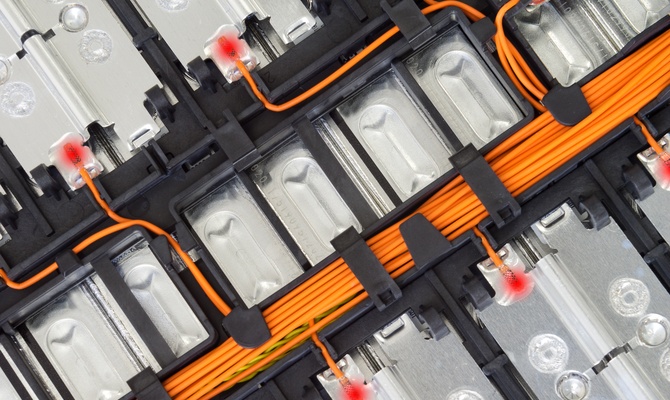
Lithium-ion batteries power much of the modern world, including smartphones, electric vehicles, and renewable energy systems. Their rapid global adoption continues to reshape energy access, especially in emerging markets. However, communities and industries must address the common risks associated with lithium-ion batteries as their use expands. A clear understanding of these risks helps guide safer implementation and long-term sustainability.
Fire and Explosion Risks
Lithium-ion batteries can overheat, ignite, or explode under certain conditions. Thermal runaway drives many of these incidents, as rising internal temperatures trigger a rapid chain reaction. Manufacturing defects, physical damage, and high external temperatures often increase this risk. These hazards create serious concerns in densely populated areas and regions with limited safety infrastructure.
Improper storage and disposal practices also heighten fire risks. Waste sites in multiple countries have reported fires linked to discarded batteries. Limited regulation and public awareness often contribute to these incidents.
Environmental and Waste Challenges
Lithium-ion batteries also introduce significant environmental concerns. Mining operations for lithium, cobalt, and nickel often strain ecosystems and water supplies. In some regions, extraction activities disrupt habitats and place pressure on local communities. These environmental costs raise important questions about sustainable sourcing.
Recycling systems remain underdeveloped in many parts of the world. Large volumes of battery waste end up in landfills, where toxic materials can leach into soil and water. Communities with limited waste infrastructure face disproportionate exposure to these risks. Addressing the common dangers posed by lithium-ion batteries requires greater global investment in recycling and waste management.
Safety Gaps in Developing Infrastructure
Many countries continue to expand access to electricity, digital tools, and clean energy systems. This growth increases reliance on lithium-ion batteries in both urban and rural settings. However, infrastructure development does not always keep pace with safety standards and technical training. Gaps in regulation, storage facilities, and emergency response systems can elevate risk.
Limited access to battery handling also contributes to unsafe practices. Informal recycling sectors often expose workers to hazardous materials without proper protection. Strengthening infrastructure and training programs can significantly reduce these risks. International cooperation can help share resources and improve safety standards across regions.
Risks in Emerging Energy Systems
Energy storage systems rely heavily on lithium-ion batteries to support renewable power generation. These systems help stabilize the electricity supply from solar and wind sources. However, large-scale installations also introduce complex safety challenges. Fires in these environments require specialized equipment and trained response strategies.
Innovations continue to improve safety outcomes. Engineers and safety experts have developed tools to more effectively contain and suppress battery fires, including specialized blankets for electric vehicles. These developments support safer deployment across industries and communities.
Moving Toward Safer Solutions
Lithium-ion batteries remain essential to global technological and energy progress. Governments, industries, and researchers must work together to reduce associated risks. Stronger regulations, improved recycling systems, and safer battery designs all contribute to meaningful progress. Public education also plays a critical role in reducing misuse and improper disposal.
Global collaboration will determine how effectively societies balance innovation with safety. Continued investment in research and infrastructure can reduce harm while preserving the benefits of modern energy systems. With the right strategies, communities can manage risks while advancing toward more sustainable solutions.