5 Signs It’s Time to Upgrade Your Beehive Boxes
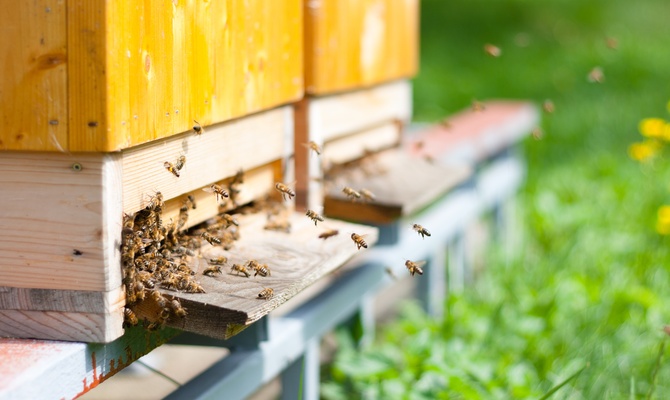
You’ve been keeping bees for a while now. Your current hive boxes have served you well, but you’re starting to wonder if it’s time to retire them and move into stronger equipment. How do you know when a box still has useful seasons left in it, and when it’s quietly making hive care harder? Here are the signs you should check right now if you’re wondering whether to upgrade your beehive boxes.
The Wood Has Started To Warp
Warped wood changes how the box fits together. When one side bows outward or a corner pulls away, small openings form where the pieces used to meet. Those gaps can let in rain, cold air, and pests.
During an inspection, press the box into place and check whether the edges meet evenly. If daylight shows through after the box is lined up, the wood has moved too far to seal the hive properly.
Comb Collapse Is Showing Up
Have you experienced the phenomenon known as comb collapse? As the name suggests, this is when the comb breaks loose inside the hive and falls away from the frame. One of the top causes of comb collapse is a hive box that’s too weak to support the weight inside it. If you’re regularly losing comb to heat and sagging wood, you may want to invest in a sturdier beehive box to minimize honey losses.
Moisture Damage Keeps Coming Back
Wood that’s taken on too much water starts to change in ways you can see and touch. The edges can swell out of shape, the surface can turn soft, and the joints can stay dark after rain. When that dampness lingers, the hive has a harder time staying dry inside.
A small damaged spot may still hold after a basic repair. The bigger warning is moisture that returns to the same area again and again. If the wood stays soft after it dries, the box is no longer keeping water out.
The Corners No Longer Stay Tight
A hive box needs tight corners so the sides stay square when you lift, stack, or separate equipment. When the joints start to pull apart, the box can twist slightly under weight. That shift affects the frame ledges inside the box, so frames may stop resting evenly where they belong.
You’ll notice it during hive checks. A frame may catch when you try to lift it, or one side of the box may gap open when you move it. If the corner keeps separating after repair, the wood is no longer holding hardware well enough for regular use.
The Colony Has Outgrown the Space
A growing colony needs enough room for bees to move between frames without crowding every open area. When the box is too small for the colony, frames fill quickly and hive checks take more care because you have less open space to work with.
You may notice the issue when each visit shows packed frames and limited working room. At that point, the current box no longer matches the colony’s size. A larger box gives the bees room to expand and gives you more space to inspect without disturbing the hive as much.
Give Your Bees a Better Box Before Problems Spread
A worn hive box doesn’t always fail all at once. It starts with a gap, a damp edge, or a frame that never seems to sit right. When you catch those signs early, you protect your bees from extra stress and make your own inspections easier. If your equipment is starting to work against you, it’s time to upgrade your beehive boxes before the next busy season.