First Responder Safety During a Severe Weather Event
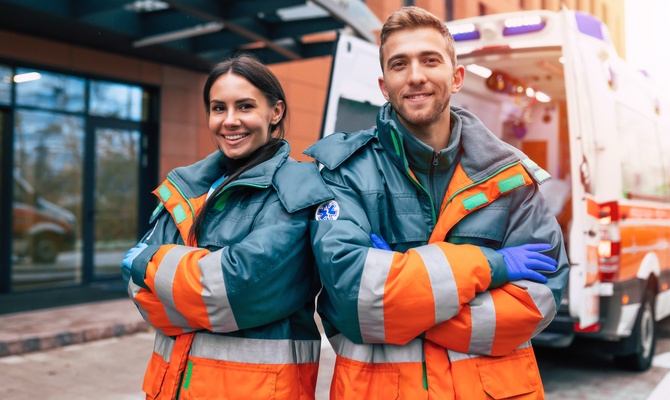
The storm rolls in faster than the forecast predicted. Dispatch reports a tree blocking a neighborhood road, and another caller needs help near rising water. Within minutes, the crew faces more emergencies than anyone expected. Every decision feels urgent, but rushing into danger won’t help the people waiting for assistance.
Severe weather can transform a familiar response area in minutes. Flooded streets conceal damaged pavement, and strong winds threaten overhead branches. First responders need more than determination to navigate those conditions. They need sound decisions that protect the crew throughout the response. Continue reading to explore first responder safety during a severe weather event.
Monitor Changing Conditions
Weather awareness starts before dispatch sends the first call. Assign someone to monitor National Weather Service alerts and local emergency management updates. That person should communicate new warnings to incident command as conditions change.
A forecast that seemed manageable at shift change may become outdated during a long response. Check for approaching thunderstorms or rising water levels before committing personnel to outdoor work. Establish a clear process for relaying urgent weather information so crews don’t rely on scattered phone notifications.
Pause for a Scene Assessment
Before leaving the apparatus, look for unstable trees or debris that could shift in strong winds. Identify nearby power lines and note whether water threatens access routes. Choose a staging location that provides the crew with a safe way to withdraw.
Incident command should revisit the assessment as the scene changes. A location that offered safe footing ten minutes earlier may become dangerous when rain intensifies.
Drive With a Backup Route
Responders know their local roads, but storm damage can transform a routine drive. Floodwater may conceal a washed-out shoulder or a missing section of pavement. Fallen trees can also block a familiar return route.
Never drive apparatus across a flooded roadway just because the crew needs to reach a call. Ask dispatch about closures and consider an alternate route. If access becomes unsafe, request assistance from teams with appropriate capabilities.
Keep enough room to turn around when approaching a questionable route. The safest arrival starts with a route that doesn’t create another emergency.
Take Lightning Seriously
A thunderstorm doesn’t need to sit directly overhead to create a lightning threat. The National Weather Service advises seeking shelter when thunder becomes audible and waiting at least 30 minutes after the last thunder before resuming ordinary outdoor activities.
For responders, command must weigh urgent life-safety needs against that danger. Plan outdoor assignments with a nearby substantial building or enclosed metal-topped vehicle as shelter whenever possible.
Avoid treating a porch or open shelter as protection. Crews should communicate changing lightning conditions promptly rather than waiting for a strike nearby.
Keep Floodwater Out of the Plan
Moving water can overpower strong swimmers, and a shallow flooded road can conceal powerful current. Floodwater may also carry sewage or sharp debris.
Keep personnel out of floodwater unless an operation requires entry and the team has appropriate water-rescue qualifications. Shore-based support and road closures can protect residents without exposing untrained responders to swift currents.
If an incident requires technical water rescue, request the qualified team early. Clear boundaries between support duties and water entry help everyone understand the safest contribution they can make.
Assume Wires Carry Power
Storms can bring power lines onto streets or into standing water. A wire that looks harmless may still carry electricity, and wet ground can expand the danger.
Keep personnel clear of fallen lines and treat nearby objects as potential hazards. Contact the utility provider through established channels and establish a safe exclusion area according to departmental procedures.
Don’t touch damaged electrical equipment or attempt utility work without the required qualifications. Electrical hazards can remain after the wind stops, so crews need to keep watching even during cleanup.
Respect Unstable Structures
A collapsed roof or cracked wall may hide someone who needs help. That urgency doesn’t make an unstable building safe for an immediate entry.
Survey visible damage from a safer location and watch for shifting debris. Request qualified structural assessment and specialized rescue resources when conditions call for them. Stay alert for gas odors or other signs of damaged utilities.
Keep unnecessary personnel outside the hazard area. A coordinated plan protects the people inside without exposing additional responders to a preventable collapse.
Match Equipment to the Task
A reliable cache helps teams work efficiently, but equipment must fit the actual hazard. For many assignments, essential search and rescue gear includes suitable helmets or portable lighting. Qualified teams may also need specialized patient-movement equipment.
Choose protective clothing according to the conditions rather than assuming structural firefighting gear fits every operation. Water rescue calls for different protection than working near unstable debris.
Inspect equipment before deployment and confirm that members know its limitations. No tool replaces the training required for technical rescue.
Keep Every Crew Accountable
Severe weather responses often spread across several streets. When multiple agencies arrive, tracking personnel becomes harder than during a single-building call.
Use the department’s incident command and accountability procedures from the start. Assign clear supervisors and communicate staging changes over the agreed radio channel.
Crews should report when they move between work areas or finish an assignment. Command needs to know who’s operating near hazards and when conditions call for withdrawal. Clear accountability also helps identify a missing member quickly.
Protect Communication Channels
Wind noise and busy radio traffic can make even simple messages difficult to hear. A responder who misses a location update may enter an area that another team already considers unsafe.
Keep transmissions brief and identify the hazard clearly. Test backup communication methods before storms create widespread outages. If neighboring agencies use different radio systems, establish a practical coordination plan in advance.
Repeat critical instructions when necessary and confirm that the receiving team understands them. Reliable communication helps crews act on the same information.
Recognize Exhaustion Early
Severe weather may keep responders working through the night. Wet clothing and repeated lifting can drain energy long before anyone admits feeling tired.
Incident command should plan relief periods and opportunities to warm up or cool down, depending on conditions. Provide drinking water and food where crews can take breaks away from active hazards.
Encourage personnel to report dizziness or reduced alertness promptly. Fatigue can interfere with judgment during tasks that already demand careful attention. A planned rotation supports safer work than pushing every member through the entire event.
Learn Before the Next Storm
When the final call ends, the department still has important work ahead. Examine equipment for damage and replace supplies that crews used. Clean potentially contaminated gear according to appropriate procedures.
Bring the team together to discuss what worked during the response. Did dispatch communicate road closures quickly enough? Did teams request specialized help at the right point?
Turn those answers into specific changes for training or equipment readiness. The next storm offers little time to solve a problem that the crew already recognized.
Protect the People Who Respond
First responder safety during a severe weather event starts with recognizing when conditions exceed a team’s resources. Good judgment doesn’t slow an effective response. It helps crews focus on the work they can perform safely.
Review one weather-response procedure before the next forecast turns threatening. Give each crew member a clear role, and take equipment concerns seriously. Communities depend on responders during their hardest moments, and responders deserve the preparation to return home safely.