What To Consider When Choosing a Tattoo Shop
Choosing where to get a tattoo deserves as much attention as choosing the design itself. A tattoo becomes part of your appearance for years, so the artist and studio you select can shape your experience and final result. Understanding what to consider when choosing a tattoo shop helps you recognize professional practices and avoid unnecessary risks. From reviewing previous artwork to discussing aftercare expectations, thoughtful research gives you greater confidence before your appointment. Taking time to compare studios also helps you find an environment where you feel comfortable asking questions and expressing your preferences.
Review the Artists’ Previous Work
Start by examining portfolios from artists who work at each studio. Look for healed tattoo photographs when available, since fresh tattoos may appear different after the skin recovers. Pay attention to consistent lines and smooth shading across multiple examples. An impressive single photograph does not necessarily reflect an artist’s everyday work.
Consider whether the artist regularly creates tattoos in your preferred style. Someone who specializes in delicate botanical illustrations may not be the best match for a bold traditional design. Review examples that resemble the size and placement you want. This comparison helps you assess whether the artist understands the visual approach you have in mind.
Evaluate Cleanliness and Safety Practices
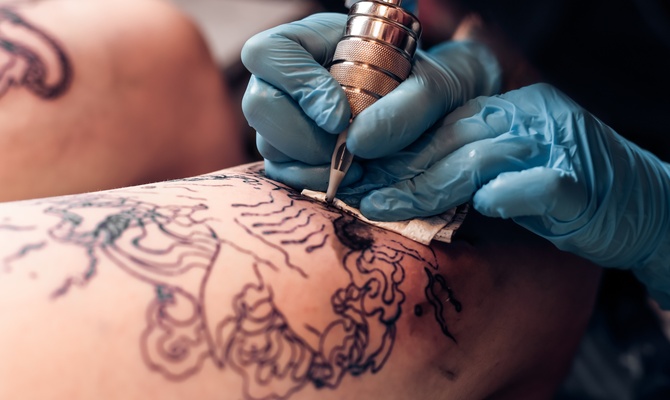
A professional studio should maintain organized work areas and follow appropriate infection prevention procedures. Notice whether staff clean surfaces between clients and use fresh protective barriers where necessary. Artists should wear disposable gloves during procedures and change them whenever contamination occurs. These everyday practices offer useful insight into how seriously a business approaches client safety.
Ask about sterilization and hygiene in a tattoo studio before scheduling your session. Reputable shops can explain how they handle reusable equipment and dispose of contaminated sharps. They should use sterile, single-use needles and follow applicable health regulations. If employees dismiss reasonable safety questions or cannot explain their procedures, consider visiting another studio.
Check Licensing and Local Requirements
Tattoo regulations vary by location, so research the requirements that apply where you plan to get tattooed. Some jurisdictions license individual artists, while others regulate establishments or require specific health inspections. A studio should be able to explain its compliance with applicable rules and provide documentation when required.
Do not assume that an attractive interior guarantees professional oversight. Verify relevant licenses through local authorities when possible. This extra step helps you distinguish established businesses from operators who may overlook important responsibilities. Remember that licensing alone does not guarantee artistic quality, so evaluate safety practices and portfolios separately.
Read Reviews With a Critical Eye
Customer feedback can reveal details that photographs cannot communicate. Look for comments about communication and how artists respond to requests for adjustments. Reviews describing the appointment process may help you understand whether clients felt respected throughout their visits. Focus on recurring patterns rather than allowing one unusually positive or negative experience to determine your decision.
Pay particular attention to how a studio handles concerns. Professional responses to criticism can demonstrate accountability, even when a client and artist disagree. Recommendations from people whose tattoos you admire can also provide helpful starting points. Still, make your final choice based on your own research and conversations with the studio.
Schedule a Consultation Before Committing
A consultation gives you an opportunity to discuss your design directly with the artist. Explain the meaning behind your idea if that context matters to you, and describe the appearance you hope to achieve. Bring reference images that communicate your preferences without expecting an exact copy of another artist’s original work.
Notice whether the artist listens carefully and offers realistic guidance. An experienced professional may suggest changes to improve readability as a tattoo ages. They should also discuss placement and explain potential limitations without pressuring you into an unwanted design. A productive conversation leaves you feeling informed rather than rushed toward a deposit.
Understand Pricing and Deposit Policies
Tattoo pricing depends on factors such as complexity and the time required to complete the work. Some artists charge hourly, while others quote a fixed price for a specific design. Ask what the estimate includes and whether additional sessions could affect the total. Clear financial expectations help prevent uncomfortable surprises later.
Review deposit requirements before making a payment. Find out whether the deposit applies toward your final balance and what happens if you need to reschedule. Studios may have different policies regarding cancellations or design changes. Choosing the lowest advertised price should never outweigh concerns about an artist’s qualifications or a studio’s safety standards.
Before booking, ask how the studio manages appointment timing and delays. A clear scheduling process shows respect for your time and helps you plan around work or other commitments. If your tattoo requires multiple visits, discuss the expected interval between sessions. Understanding the timeline can reduce frustration and support realistic expectations.
Consider the Studio Atmosphere
Your comfort matters, particularly if you expect a lengthy appointment. During your visit, observe how employees greet clients and answer questions. A welcoming studio should respect personal boundaries and explain what will happen during the session. You should feel able to request a pause or raise a concern without embarrassment.
Think about whether the environment suits your preferences. Some shops feel energetic and social, while others offer quieter appointments with greater privacy. Neither atmosphere automatically indicates better craftsmanship. What matters is finding a setting that allows you to communicate openly and remain comfortable throughout the process.
Ask About Preparation and Aftercare
A responsible artist should explain how to prepare for your appointment. They may recommend arriving well rested and eating beforehand, depending on your circumstances. Ask whether you should avoid applying certain products to the area before your session. Following appropriate preparation guidance can make the experience more manageable.
Aftercare deserves equal attention because proper healing affects the appearance of your tattoo. Your artist should provide clear instructions for cleaning the area and recognizing possible complications. Ask whom to contact if you have questions during healing. Seek medical advice for concerning symptoms rather than relying solely on the studio for diagnosis.
Make Your Final Decision With Confidence
Learning what to consider when choosing a tattoo shop helps you balance artistic preferences with practical safety concerns. The right studio should demonstrate professional standards while giving you room to ask questions and make informed choices. Compare portfolios carefully and confirm that the artist understands your expectations before committing. When you prioritize clear communication and responsible procedures, you improve your chances of enjoying both the appointment and the finished tattoo. Taking a little extra time now can help you feel confident about artwork you will carry for years.