What Kind of Home Damage Do I Look for After a Storm?
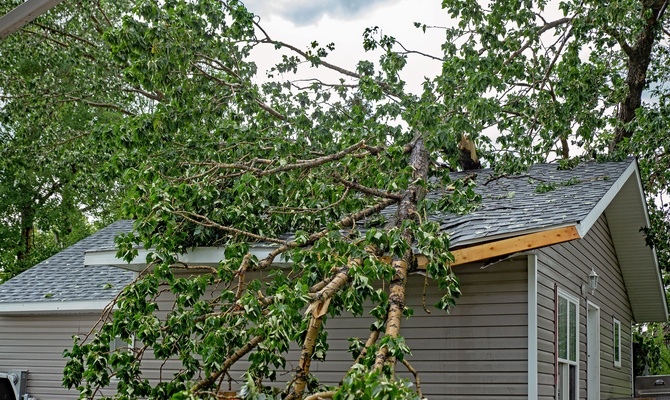
Severe weather can cause damage that homeowners may not notice immediately. Strong winds and heavy rainfall can affect vulnerable areas, leading to costly repairs if left unaddressed. Understanding the home damage to look for after a storm helps you identify potential problems early. A thorough inspection allows you to address concerns promptly and protect your property from further damage.
Inspect Your Roof for Visible Damage
Your roof serves as your home’s primary defense against severe weather, making it an important starting point for inspections. Powerful winds can loosen shingles or tear them away completely, leaving underlying materials vulnerable to moisture. Hail can also damage roofing surfaces, creating dents or fractures that compromise their protective capabilities.
When you check on your roof after a storm, examine the surface from ground level using binoculars if necessary. Look for missing shingles or sections that appear uneven compared to surrounding materials. You might also notice roofing debris scattered across your yard, indicating that strong winds affected the structure.
Avoid climbing onto your roof yourself, especially when surfaces remain wet. A qualified roofing contractor can safely examine questionable areas and recommend appropriate repairs.
Examine Gutters and Downspouts
Storms frequently damage gutter systems, particularly when strong winds accompany heavy rainfall. Loose gutters may pull away from your home’s exterior, preventing water from draining properly. Damaged downspouts can also redirect runoff toward vulnerable areas around your foundation.
Walk around your property and inspect visible gutter sections for separation or unusual positioning. Check whether downspouts remain securely attached and direct water away from your house.
Accumulated debris can create additional problems by restricting drainage. Remove accessible debris safely from ground level and arrange professional cleaning when necessary. Maintaining functional gutters helps prevent moisture from collecting near exterior walls.
Look for Damage To Siding
Your home’s siding protects exterior walls from weather exposure, but severe storms can compromise this protective barrier. High winds may loosen panels, while flying debris can puncture siding materials. Even relatively small openings can allow rainwater to reach underlying surfaces.
Inspect exterior walls for visible cracks or missing sections. Pay particular attention to areas near corners, where wind pressure may affect loosely secured materials.
Different siding materials respond differently to storm conditions. Vinyl panels might develop fractures, while wood siding can split after impact. Addressing these problems promptly helps prevent moisture from spreading behind damaged sections.
Check Windows and Exterior Doors
Windows and exterior doors often experience significant pressure during severe weather. Windborne debris can crack glass or damage surrounding frames, creating openings that allow moisture indoors. Strong gusts may also weaken weatherstripping or compromise existing seals.
Examine windowpanes for cracks and inspect frames for visible separation. Look for moisture around interior window edges, particularly after prolonged rainfall.
Test exterior doors to confirm they open and close normally. Difficulty operating a door might indicate frame movement or damage around its hinges. Replace compromised seals and arrange repairs when structural components show deterioration.
Identify Signs of Interior Water Damage
Not every storm-related problem appears outside your home. Water can enter through damaged roofing materials or poorly sealed openings, eventually affecting interior surfaces. These issues sometimes become noticeable only after moisture travels through concealed spaces.
Inspect ceilings for discoloration or damp patches. Bubbling paint and peeling wallpaper may also indicate water intrusion behind finished surfaces.
Check rooms beneath the attic and examine areas around exterior windows. A musty odor can suggest lingering moisture, even when visible staining remains minimal.
If you discover damp materials, address the source before beginning cosmetic repairs. Prompt drying can reduce further deterioration and discourage mold growth.
Evaluate Your Foundation and Basement
Heavy rainfall can saturate surrounding soil and increase pressure against foundation walls. When drainage systems cannot manage excess water, moisture may enter basements or crawl spaces through existing openings.
Inspect foundation walls for new cracks or evidence of water seepage. Examine basement floors for standing water and look for dampness along wall edges.
Pay attention to areas where water collects near your home’s exterior. Poor grading can direct runoff toward the foundation instead of carrying it away.
Significant cracking or unexpected structural movement deserves professional evaluation. Addressing drainage concerns early can help limit recurring moisture problems.
Assess Trees and Landscaping Hazards
Storm damage extends beyond your home’s physical structure. Trees surrounding your property can develop broken limbs or unstable branches that threaten nearby buildings. Saturated soil may also weaken root systems, increasing the likelihood of trees falling during subsequent storms.
Survey your yard from a safe distance and identify branches hanging over your roof. Look for newly leaning trees or exposed roots that suggest instability.
Avoid approaching damaged trees that contact electrical lines. Contact your utility provider when branches interfere with power equipment.
Professional arborists can evaluate questionable trees and remove hazardous limbs safely. Addressing these concerns protects your home from additional damage.
Inspect Outdoor Structures and Equipment
Detached garages and storage sheds can sustain damage during severe weather. Strong winds may loosen roofing materials or shift lightweight structures from their original positions.
Examine outdoor buildings for missing panels and damaged doors. Check fences for leaning posts or sections that no longer remain securely attached.
Outdoor air conditioning equipment also deserves attention after storms. Flying debris can damage protective housings, while floodwater may affect electrical components.
Avoid operating equipment that experienced flooding until a qualified technician evaluates its condition. Photograph visible damage before arranging repairs when doing so remains safe.
Document Damage and Prioritize Repairs
Once conditions become safe, document visible storm damage before making permanent repairs. Clear photographs can help contractors understand affected areas and support potential insurance claims.
Record when you noticed each problem and preserve relevant repair estimates. Contact your insurance provider to understand applicable reporting requirements.
Prioritize hazards that threaten personal safety or allow additional water intrusion. Arrange professional assistance for electrical concerns or suspected structural damage.
Temporary protective measures may help limit further deterioration while you coordinate permanent repairs. Keep receipts for emergency work and communicate with your insurer before authorizing major restoration whenever possible.
Protect Your Home After Severe Weather
Recognizing the home damage to look for after a storm allows you to respond confidently when severe weather affects your property. Careful inspections help uncover problems that might otherwise develop into costly repairs. Focus on visible changes while avoiding unsafe areas or unstable structures. When damage extends beyond basic maintenance, consult qualified professionals who can evaluate affected materials. Consistent attention after severe weather helps preserve your home’s condition and prepares you to address future storms with greater confidence.