
Boat-Handling: Important Skills Every Boat Lover Should Know
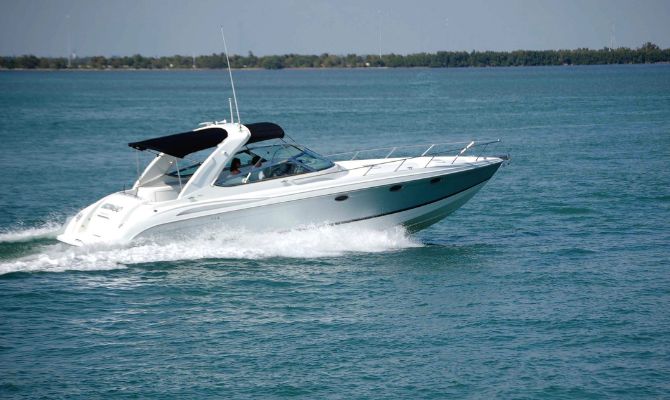
Boating is a thrilling adventure that combines freedom on the water with the joy of navigating nature’s beauty. Whether you’re a seasoned sailor or a newcomer eager to set sail, mastering certain skills can greatly enhance your experience. These important boat handling skills every boater should know will give you confidence when navigating the open water.
Tying Basic Boat Knots
Understanding how to tie basic boat knots is fundamental for any boater. Bowline, cleat hitch, and square knots are essential for securing your boat to a dock and for various tasks on deck. Practice these knots regularly so you can tie them quickly and correctly, especially in a pinch.
Setting an Anchor
Properly setting an anchor prevents your boat from drifting and provides stability. To set an anchor, choose a spot with ample space away from other boats and obstructions. Lower the anchor slowly to the lake bottom or riverbed, allowing sufficient line for the depth and tidal conditions. Then, gently tug to check if it’s firmly embedded.
Filing a Boating Plan
Before heading out, always file a boating plan with someone you trust. This plan should include your destination, expected return time, and information about your boat. Filing a boating plan is a critical step in your boat safety checklist, as it ensures someone knows your whereabouts and can alert authorities if you don’t return as scheduled.
Docking Safely
Docking safely is one of the most technical skills a boater needs. You’ll should learn how to approach the dock slowly, accounting for wind and current. Use fenders to protect your boat, and communicate clearly with your crew, family members, or any helpers on the dock. Precise maneuvering and good timing are the keys to a smooth docking process.
Learning Emergency Maneuvers
Every boater should know how to perform emergency maneuvers. These maneuvers include stopping quickly, turning sharply to avoid collisions, and procedures for passengers falling overboard. Performing regular drills and understanding how your boat handles in different conditions will help you react quickly during emergencies.
Interpreting Tide Charts
Interpreting tide charts is crucial for safe and smart boating. These charts help you understand the water levels over time. The information can help you navigate the water and plan your route. Keep an updated tide chart onboard, and consult it to avoid getting stranded in shallow waters or damaging your boat on underwater hazards.
These important boat-handling skills every boat lover should know will help you handle various situations with confidence. By incorporating these practices into your boating routine, you can ensure your safety and that of your passengers. Embrace these lessons and set sail with assurance, prepared for whatever the waters may bring.


