Spray Foam Insulation: Common Mistakes That Occur
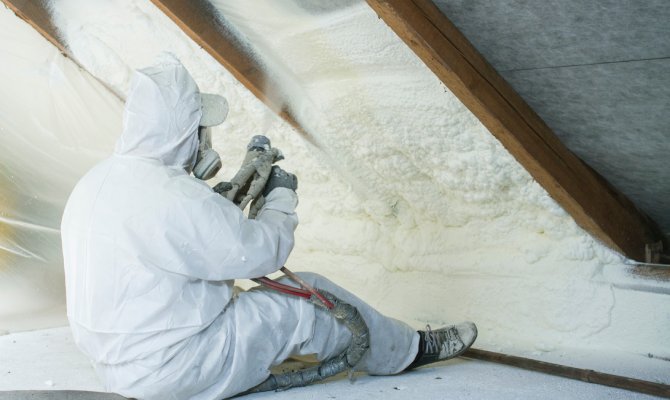
Spray foam insulation is a fantastic solution for energy efficiency and comfort. Yet, even the most experienced spray foam installers can fall into common traps that undermine the effectiveness of their work. Understanding these mistakes can help you maintain your reputation as a top-notch professional in the industry. Continue reading to explore the common mistakes that can occur during spray foam insulation installation.
Rushing the Preparation Process
Preparation lays the foundation for successful spray foam installation. Skipping steps or rushing through the prep can lead to poor adhesion or uneven application. Make sure to clean surfaces meticulously and ensure they’re dry before spraying.
Properly mask off areas to prevent spray foam overspray, which can create additional cleanup work and damage surfaces. Double-check that all equipment is functioning correctly to avoid downtime during application. Taking the time to prepare thoroughly ensures a smoother process and a better final result.
Using the Wrong Spray Foam Formula
Not all spray foam is the same. Using the wrong formula for a particular job can significantly impact performance.
- Closed-cell foam provides excellent moisture resistance and structural support.
- Open-cell foam offers better flexibility and sound absorption.
Always evaluate the specific needs of a project and choose the appropriate type of foam. This evaluation enhances the insulation’s efficiency and prevents costly redos.
Ignoring Material Temperature Requirements
Spray foam materials require specific temperature conditions to perform optimally. Applying foam in temperatures outside the recommended range can cause poor adhesion or inconsistent expansion. Always monitor the temperature of the material itself, as well as the ambient conditions of the work environment. This attention to detail ensures the foam expands as intended, providing the best possible insulation performance.
Over-Application of Foam
More isn’t always better when it comes to spray foam insulation. Over-applying foam can lead to waste and potential structural issues. It can also cause uneven surfaces that may require additional sanding or cutting. Implement precise techniques to apply the right amount of foam to each area.
Forgetting To Account for Expansion
Spray foam expands significantly upon application. Failing to account for this expansion can result in excess foam spilling into unintended areas. This mistake often leads to spray foam overspray and unnecessary cleanup. Apply foam in layers and allow each to cure properly before adding more. Use this approach to control the final insulation thickness and help maintain a clean worksite.
Overlooking Ventilation and Safety Measures
Safety should never be an afterthought. Proper ventilation during spray foam application is essential to protect yourself and others from harmful fumes. Use appropriate respiratory protection and ensure the work area has adequate airflow. Neglecting these precautions can lead to health risks and liability concerns. Prioritize safety as much as quality to uphold professional standards and safeguard your team.
Mastering spray foam insulation requires attention to detail and adherence to best practices. By avoiding these common mistakes, you’ll enhance the quality of your installation work and your reputation in the industry. Remember to prepare thoroughly, choose the right materials, and respect safety protocols. These efforts will ensure your installations are efficient, reliable, and long-lasting.