Top HVAC Issues Encountered in Commercial Buildings
HVAC systems in commercial buildings play an important role in occupant comfort and operational efficiency. As the backbone of climate control, these systems require meticulous design, installation, and maintenance to prevent disruptions that can lead to uncomfortable indoor environments and inflated energy costs. However, tackling HVAC challenges is not merely a technical task; it requires a thorough understanding of building dynamics, energy management, and regulatory compliance.
Here are the top HVAC issues you may encounter in commercial properties so you can keep the facility cool, even during the hottest situations.
Common HVAC Issues
Heating, ventilation, and air conditioning (HVAC) systems support indoor comfort in commercial buildings, but they often experience performance challenges. Building managers need to understand the following HVAC issues to promptly address them.
Inconsistent Temperature Distribution
One of the most frequent complaints in commercial buildings is inconsistent temperatures. Uneven heating or cooling can result in discomfort among occupants. Various factors—including poor system design, blocked vents, or malfunctioning components—contribute to this issue. Regular inspections and maintenance will help you identify and fix these problems.
Poor Air Quality
Maintaining good indoor air quality is vital for the health and well-being of building occupants. Dust, mold, and volatile organic compounds (VOCs) can circulate through HVAC systems. To prevent respiratory irritation among occupants, it’s necessary to install high-quality filters and replace them regularly to improve indoor air quality.
System Inefficiency
An inefficient HVAC system can lead to high energy bills and poor performance. Signs of inefficiency include long run times, frequent cycling, and uneven temperatures. A few of the culprits behind inefficient HVAC systems could be dirty filters, leaking ducts, or outdated equipment. Luckily, upgrading to energy-efficient units and conducting routine maintenance can enhance HVAC system performance.
Addressing Airflow Issues
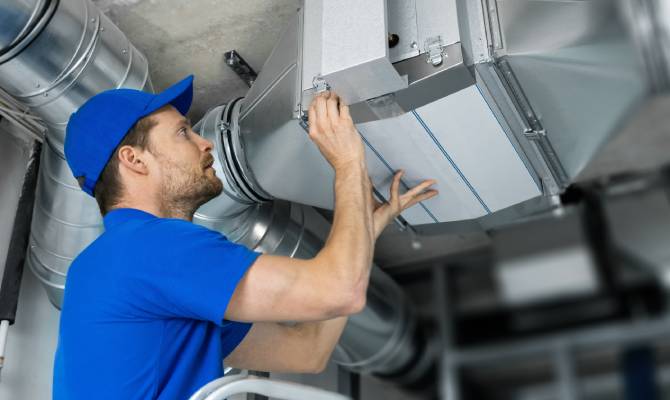
Airflow supports HVAC system performance. Blockages, leaks, and poorly designed ductwork can hinder airflow, causing the system to work harder than necessary. Regularly checking and cleaning ducts and sealing leaks can prevent these issues. Additionally, HVAC balancing offers several advantages, including distributing air evenly throughout the building and maximizing efficiency.
Upgrading Outdated Systems
Old HVAC systems may struggle to meet the demands of modern commercial buildings. Upgrading to newer, more efficient models can provide better performance and lower energy costs. Consider systems with variable-speed motors, smart thermostats, and high SEER ratings for optimal efficiency.
Insulating the Ducts and Building
Insulation is another component that affects the performance of HVAC systems. Poor insulation causes heat loss in winter and heat gain in summer, forcing the system to work harder. Insulating air ducts and the building’s walls will maintain desired temperatures and reduce energy consumption.
Encountering HVAC issues in commercial buildings is never a good thing. Therefore, it’s essential to promptly address these issues to maintain a comfortable indoor environment. With these tips, you can prevent common HVAC performance issues and improve your facility.