Key Optimization Strategies for Lab Filtration Processes
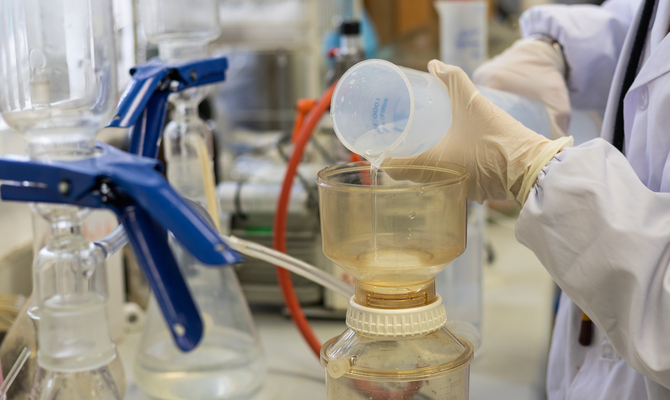
Efficient lab filtration is a game-changer for laboratories, streamlining processes and ensuring high-quality results. In a fast-paced research environment, optimizing filtration strategies can significantly influence productivity and cost. This guide will explore key optimization strategies designed to enhance lab filtration processes for laboratory managers and research scientists across various applications.
Tailor Filtration Solutions to Your Lab’s Needs
Every laboratory is unique, with specific filtration requirements based on the nature of their research. When evaluating your lab’s filtration needs, consider the type of samples, the volume of filtration required, and the desired level of purity. Understanding these elements will help you tailor a filtration solution that maximizes efficiency and performance while minimizing resource expenditure.
Choose the Ideal Filtration Method for Efficiency
Choosing the right filtration method is critical for achieving optimal results. Different methods serve varied purposes, from simple gravity filtration to more complex membrane filtration systems.
It’s essential to choose a method that aligns with your lab’s specific needs and balances efficiency with cost-effectiveness. This choice will set the tone for your lab’s overall filtration strategy and success.
Enhance Filtration Speed Without Sacrificing Quality
Balancing speed and quality in filtration processes requires a strategic approach. Fine-tune filtration parameters to accelerate the process while maintaining high standards of purity and reliability.
Regular maintenance plays a vital role in ensuring filters operate at peak efficiency, preventing unexpected disruptions or compromises in quality. Staying proactive in this area can lead to long-term benefits in lab productivity and outcomes.
Automation as a Tool for Filtration Optimization
Incorporating automation into your filtration processes reduces human error and boosts efficiency. Automated systems streamline operations and free up valuable time for staff to focus on other critical tasks.
Custom filtration systems offer tailored solutions that address specific lab requirements, enhancing overall workflow. Such systems provide a dual benefit, improving both the precision and speed of filtration tasks.
Optimizing your lab’s filtration strategies is key to achieving efficient and reliable results. By understanding your lab’s unique needs, selecting appropriate methods, and leveraging technology, you can significantly enhance your filtration processes. Consider evaluating your current systems and exploring custom solutions that align with your lab’s goals for improved efficiency and innovation.