Reasons To Use a Case During the Sterilization Process
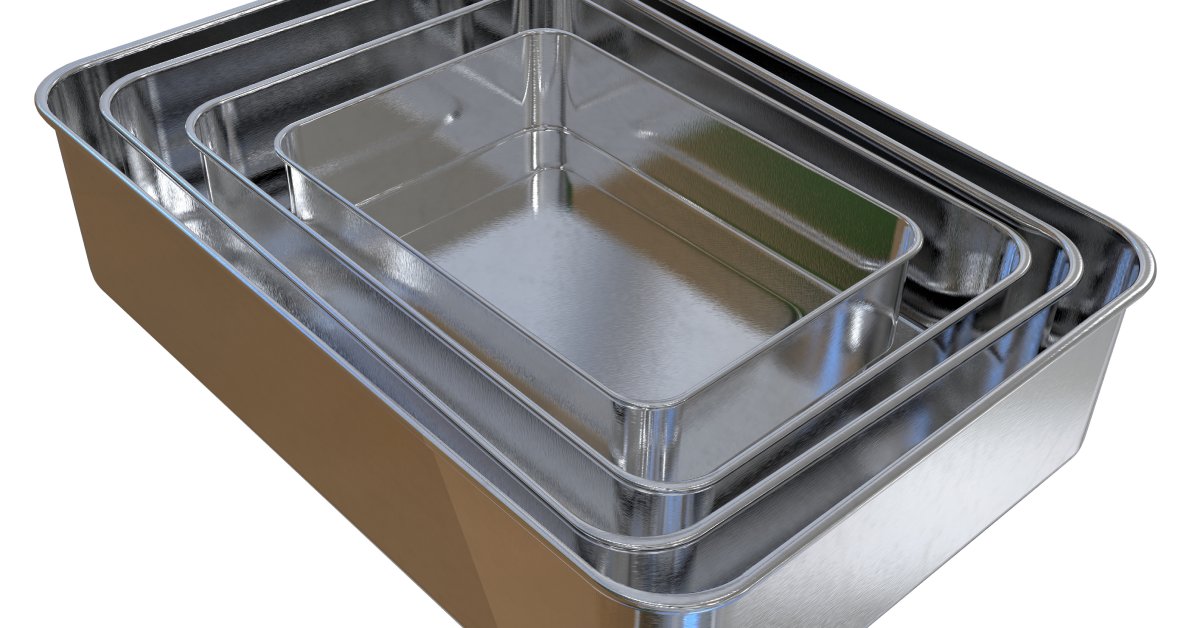
Sterilization is the backbone of safety and hygiene in the medical field. Properly sterilized instruments are crucial for maintaining patient safety and preventing infections. But, how a medical professional manages the sterilization process can vastly impact its effectiveness. One tool that offers consistent results is the sterilization case. This article explores the top reasons for using a case during the sterilization process.
Protects Surgical Instruments
Surgical instruments are the foundation of any procedure, and keeping them in optimal condition is non-negotiable. Sterilization cases protect surgical instruments by providing a secure environment that shields them from physical damage during the sterilization and transport processes. The design of these cases minimizes the risk of scratches, bending, or other wear and tear that could compromise instrument performance. Incorporating sterilization cases into your workflow protects tools paramount to patient outcomes.
Maintains Sterility Standards Effectively
Sterility is not just about cleanliness; it’s about eliminating all microbial life to prevent infections. Sterilization cases help keep instruments sterile by acting as a controlled barrier against contamination. Once the instruments undergo sterilization, they remain in these dedicated cases, which greatly reduces exposure to airborne contaminants or improper handling. This protection makes sterilization cases more reliable than other methods like pouches, which can tear or fail under pressure.
Enhances Cost and Time Efficiency
Sterilization cases allow for more organized and efficient workflow management. Holding multiple instruments in one case reduces the time spent individually wrapping or unwrapping tools. This streamlined approach saves valuable time for your staff and reduces the costs associated with disposable wraps or frequent replacements due to damaged instruments. Over time, investing in durable sterilization cases becomes a cost-effective solution for maintaining a functional and efficient sterile environment.
Simplifies Compliance With Industry Standards
Industry regulations around sterilization are stringent, and non-compliance can lead to severe consequences, ranging from penalties to compromised patient safety. Sterilization cases can adhere to these rigorous standards, simplifying the compliance process. Their ability to securely hold instruments, maintain sterility, and withstand high temperatures makes them an easy choice for meeting regulatory requirements without unnecessary complications.
Tailors to Different Instruments
Not all instruments are the same, and neither are their sterilization needs. Sterilization cases come in various designs and customizations to fit specific requirements. Choosing the right case for your instruments makes sterilization more effective and extends the lifespan of your tools. Always consider factors like material durability and case compatibility with your sterilization equipment before making a selection.
Using a sterilization case is necessary for protecting instruments, maintaining sterility, and optimizing operational efficiencies. By integrating these cases into your sterilization process, you uphold the highest medical safety standards while simplifying day-to-day challenges. Start by evaluating your current setup and look for sterilization cases tailored to your instruments’ specific needs. This one decision could make all the difference for your practice.