Tips for Finding the Right Metal Snips for Your Project
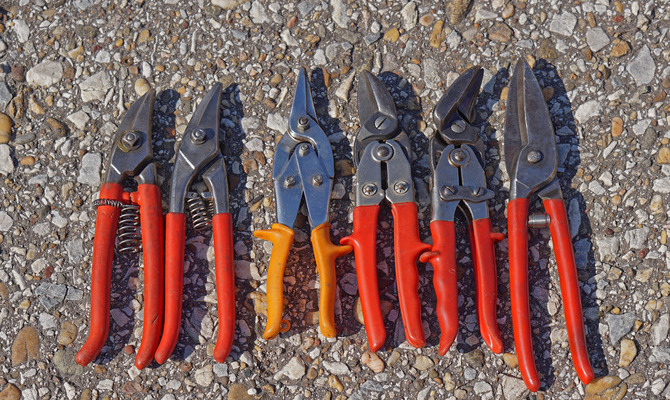
Metalworking requires precision, and when cutting metal sheets or trimming edges, the right tools can make all the difference. Among various metal cutting tools available, metal snips are a must-have in any metalworker’s toolbox. Choosing the right pair of metal snips means smoother cuts, less effort, and better results for your project. Here’s everything you need to know to make an informed choice.
Types of Metal Snips
Metal snips come in different varieties, each designed for specific tasks. Aviation snips are popular for their versatility and ability to handle complex cuts. They come in three cutting patterns—left, right, and straight—making them ideal for curved cuts or straight lines.
When working on lighter gauge materials, tin snips are often the go-to option. Their straightforward design makes them great for simple cuts on softer metals. For thicker or tougher materials, compound action snips provide the extra power to make heavier cuts while reducing hand strain.
Understanding these types and their applications is essential in selecting the right metal snips for your project, so consider the kind of cuts you’ll be making most frequently.
Key Factors When Choosing Metal Snips
Material compatibility is one of the first things to consider when selecting snips. Different snips will cut through specific materials like aluminum, steel, or copper. If you’re dealing with thicker metal sheets, make sure the snips can handle the required gauge without compromising precision. Gauges vary widely, so always check the manufacturer’s specifications before purchasing.
Another critical factor is the cutting pattern. Straight snips are excellent for linear cuts, while left and right aviation snips will create cuts in their respective directions. Left and right snips will be more effective if your project requires tight curves or notches.
Selecting the right cutting pattern based on your project goals will greatly enhance efficiency. Additionally, the quality of the blade and handles can impact your comfort and the tool’s lifespan, so prioritize durability during your search.
Maintenance Tips for Long-Lasting Snips
Metal snips are an investment; proper care will help them last through multiple projects. Clean them after every use to prevent material buildup that could dull the blades over time. Sharpen dull blades regularly to maintain precision, and lubricate moving parts to smooth the action. Storing snips in a dry space is essential to avoid rust. Your snips will retain quality and deliver precise cuts for years with consistent upkeep.
Using the right metal snips is the key to better results, faster cuts, and a smoother workflow. Explore your options among various metal cutting tools available, and choose the one that fits your project needs best. The right snips won’t just get the job done—they’ll help you do it precisely and easily.