5 Important Tips for Pursuing a Career in Metalworking
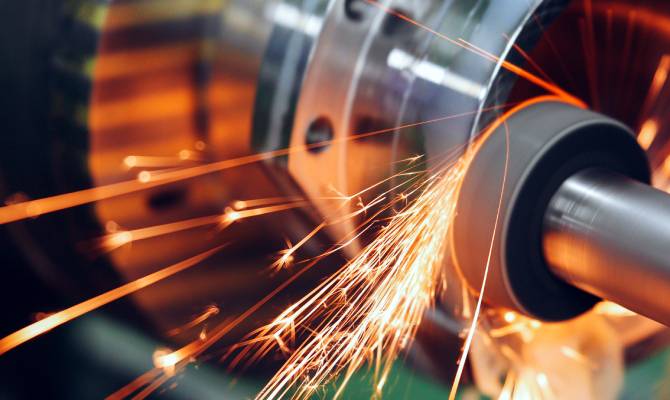
If you’re looking for a job that’s in high demand and gives you the chance to craft, shape, and weld materials into functional and artistic creations, you may want to consider metalworking. This field spans a variety of industries and applications. For those considering this career path, preparation and the right approach play a crucial role in achieving success. Review these five important tips for pursuing a career in metalworking.
1. Research the Aspects of the Industry
As you pursue your new career, invest time in exploring its different branches and opportunities. The industry ranges from welding and machining to fine artistry and large-scale manufacturing. Each area offers unique challenges and rewards. Learn about the processes and job responsibilities involved so you can determine which specialty aligns with your interests and career goals. A strong understanding of the industry’s scope will pave the way for informed decisions.
2. Undergo Metalworking Training or Classes
Another important tip for pursuing a career in metalworking is to receive proper training. Classes can help participants develop the technical know-how they need to thrive in their careers. Community colleges, trade schools, and industry training centers frequently offer metalworking programs.
3. Keep Up Your Physical Health
Metalworking is a physically demanding career that often involves heavy lifting, standing, and navigating challenging work environments. Maintaining your strength and flexibility will optimize your ability to handle these tasks.
4. Seek Out an Apprenticeship
Hands-on experience offers one of the most effective ways to prepare for a career in metalworking. Apprenticeships provide the opportunity to train with experienced professionals who can teach you advanced techniques.
These programs blend learning with practical experience, allowing newcomers to gain valuable skills while earning money. Many apprenticeships also expand professional networks in the metalworking community, opening doors to future job opportunities.
5. Have the Right Tools
The tools you use directly impact the quality of your work. Make sure you purchase quality tools like hammers, hacksaws, and the best drill bits for precision drilling in metalworking. Investing in professional-grade equipment tailored to your specialty will enhance your precision and safety. Keeping these tools well-maintained will also extend their lifespan so you can consistently produce quality results.
Metalworking requires a mix of skills, creativity, and industry knowledge—a craft honed through preparation and dedication. By following these five steps, you can set yourself up for success in this rewarding field.