The Best Sustainable Packaging Materials for Consumers
For businesses looking to make environmentally friendly choices, packaging materials are a great place to start. Sustainable alternatives are everywhere—but some are better than others. It’s essential to understand which materials to use and why they make a difference for your brand and the planet.
Why Sustainable Packaging Matters
Conventional packaging like single-serve plastics can take hundreds of years to decompose, often ending up in landfills or polluting waterways. Sustainable materials either biodegrade much faster, are fully recyclable, or are constructed from renewable resources. This option reduces waste but also helps businesses tackle the challenges of climate change.
Top Materials To Consider
Here are some of the best sustainable packaging materials for consumers that support healthy ecosystems.
1. Recycled Paper and Cardboard
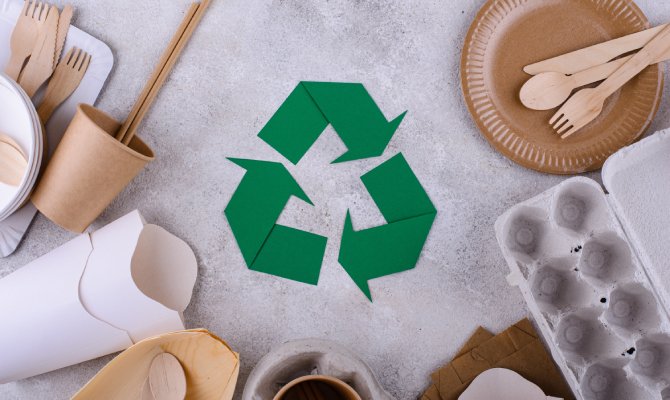
Recycled paper and cardboard are among the most common materials. They are lightweight, cost-effective, and curb excessive waste since they’re made from reused materials. They’re perfect for shipping, food containers, or gift wrapping. Plus, they decompose quickly if they aren’t recycled again.
2. Biodegradable Packing Peanuts
Instead of using Styrofoam, opt for biodegradable packing peanuts made from natural, nontoxic materials like cornstarch. These dissolve in water and are safe for the environment, unlike their polystyrene counterparts.
3. Mushroom Packaging
Surprisingly, mushroom-based materials are an excellent alternative to plastic. Made from agricultural waste and mycelium (fungi roots), they are fully compostable. They’re strong enough to hold heavier items but break down naturally within a few weeks, making them ideal for protective packaging.
4. Compostable Films
Compostable films are great for wrapping food or creating custom bags. They’re often made from cellulose, which comes from renewable plant sources. These films degrade into organic matter within months in a composting environment.
5. Glass Jars and Bottles
Glass is a durable, sustainable material that can be recycled without degrading. Using glass jars for food storage is an easy, versatile way to minimize waste.
6. Flexible Pouches Made From Plant-Based Materials
Plant-based materials are another flexible option. These different types of flexible packing pouches are created from biodegradable polymers like cornstarch or cassava roots. They’re useful for products ranging from snacks to coffee while being far less harmful to the planet than traditional plastic.
Making Choices That Matter
Switching to the best sustainable packaging materials for consumers doesn’t mean sacrificing convenience. With several options, small changes like swapping plastic wrap for compostable films or using recyclable cardboard for mailing packages can have a big impact.
It’s easier than you think to reduce waste—you just need the right alternatives. Every choice adds up, and these materials allow you to be practical and environmentally conscious.