Tips for Avoiding Electrical Hazards in Metalworking
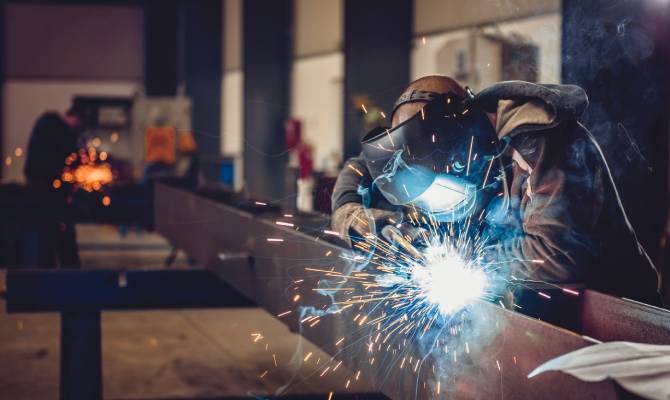
Metalworking is a critical industry that powers everything from construction to manufacturing. However, it’s no secret that working with metals is fraught with risks. Electrical hazards are among the top workplace dangers in metalworking environments. These hazards can lead to severe outcomes, including electric shocks, burns, fires, or even fatalities.
But it’s not all doom and gloom. With careful planning, you can reduce electrical risks in your workshop or production facility. Keep reading for tips for avoiding electrical hazards while working with metals.
Conduct Regular Equipment Inspections
You should expect issues like frayed wires, damaged plugs, and malfunctioning equipment. That’s why creating a schedule for regular electrical inspections is a good idea. Check cords, outlets, and equipment at least once a month. Remove defective tools from service immediately unless you can repair or replace them.
Use Ground Fault Circuit Interrupters (GFCIs)
GFCIs are lifesavers in environments where electricity and metal come together. These devices shut off the power supply if they detect an imbalance in the current, preventing potential shocks. Try installing GFCIs in areas exposed to metal surfaces or moisture, which can increase conductivity. Portable GFCIs are a great solution for older metalworking shops without permanent installations.
Wear Proper Personal Protective Equipment (PPE)
The right PPE can offer an additional layer of defense against electrical hazards. Insulated gloves, rubber-soled shoes, and protective eyewear are standard equipment for minimizing risk. High-voltage environments may require arc-rated clothing, which can withstand electrical flashovers. Whatever your team needs, remember to train them on the proper use and upkeep of their PPE. Many electrical incidents occur due to neglected safety gear.
Implement Safe Practices Around Live Wires
A good tip to avoid electrical hazards in metalworking is to be careful with live wires. These wires can pose a major risk, especially in spots where cables may inadvertently come into contact with sharp tools or moving machinery. To avoid an accident, label all live wires clearly, restricting access to areas where wires are exposed. You may even consider enclosing live wires in protective conduits to reduce exposure further.
Incorporate Automation To Minimize Risks
Steel fabrication is changing due to the increasing adoption of automation. Automated machinery can perform tasks with precision and speed, reducing the need for manual intervention and directly decreasing the risk of electrical mishaps. The many ways automation has impacted steel fabrication include:
- Improved safety: Automated systems handle high-risk processes like welding and plasma cutting, minimizing worker exposure to electrical equipment.
- Enhanced monitoring: Smart sensors in automated machines can detect electrical irregularities like power surges, allowing for instant shutdowns or alerts to protect workers.
- Precision and reliability: Remote operational systems now enable workers to program and monitor machinery from a safe distance, limiting exposure to potential electrical dangers.
Electrical hazards are one of the most critical safety concerns in metalworking. By implementing these tips, you can create a safer environment for your team. Get proactive, evaluating and upgrading your shop’s safety protocols so your team stays safe from electrical risks.