Product Development: Cost & Quality in Manufacturing
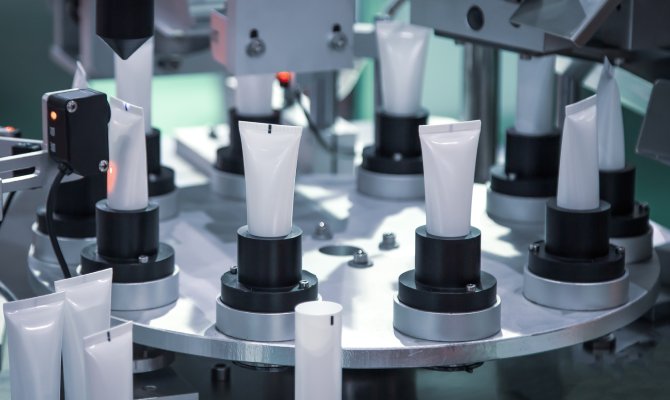
Balancing cost and quality is a common challenge in product development and manufacturing. Prioritizing one over the other can lead to subpar results, inflated budgets, or unsatisfied customers. Successful products come about and businesses thrive in the middle ground.
Understand Your Product’s Needs
Each product has unique demands, and figuring out those requirements is the first step in balancing cost and quality. Start by outlining your product’s objectives—durability, aesthetic appeal, functionality, or a combination. Clear goals can guide your decisions around materials, processes, and budget allocations.
For instance, a durable product may require more expensive materials, but selecting a streamlined manufacturing process may offset that cost. Without clarity on what the product needs to deliver, it’s easy to overspend on aspects that won’t contribute to its performance.
Materials Matter
Choosing the right materials can greatly affect cost and quality. Focus on materials that fit the product’s purpose while staying within your financial limits.
In some cases, advanced composite materials might offer strength and weight reduction, and high-quality plastic might suffice for simpler products. The material’s interaction with your product design and functionality will be important knowledge to avoid over-engineering.
The Manufacturing Process Counts
The manufacturing process is important for efficiency. The method you select affects production speed and final product quality. Injection molding is a popular manufacturing method, and it’s ideal for high-volume runs with tight tolerances. On the other hand, 3D printing offers cost-effective flexibility for small quantities. These are valuable aspects to consider when choosing a part molding process because they help you meet product goals.
Likewise, automation and semi-automation might seem expensive but could reduce errors and operation costs in the long run.
Build Strong Relationships With Suppliers
Suppliers can affect the manufacturing process as much as materials. Choosing reliable suppliers gives you access to high-quality materials and services without overspending. Thoroughly vet potential suppliers, and maintain open communication to build partnerships that focus on shared goals.
Discuss options for bulk pricing or look for suppliers that offer sustainable shipping solutions. Simplified logistics also free up resources to focus on the quality of the product itself.
Final Thoughts
By tailoring your product development manufacturing approach, you can balance cost and quality in product development and manufacturing without compromising your business foundation. Thoughtful decisions on materials, processes, and supplier relationships allow you to optimize budgets while creating a high-quality product.
Refining each production detail goes a long way toward creating something your customers will value. By focusing on smarter strategies, you stay competitive in your industry.