Common Bulk Cable Buying Mistakes and How To Avoid Them
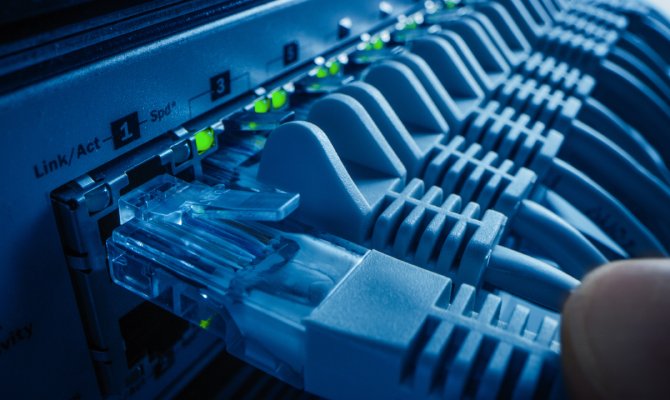
Getting the right bulk cable is essential for smooth installations and long-term performance, especially for businesses relying on high-quality connections. However, it’s easy to make mistakes when selecting cables, leading to performance issues, unnecessary expenses, or even safety risks. Here’s a guide to the most common bulk cable buying mistakes and how to avoid them.
Not Knowing Your Application Needs
The first and perhaps most common mistake buyers make is not fully understanding their specific application needs before purchasing bulk cables. Different environments and purposes require different types of cables. For example, outdoor installations might need weather-resistant cabling, while high-speed networks require Cat6 or Cat6a cables for optimal data transfer rates. Always identify whether your setup has specific environmental, length, or speed requirements to match those needs with the correct cables.
Ignoring Cable Specifications
Another frequent error is ignoring the technical specifications of the cables. Specifications like bandwidth, shielding, and conductor material are not “extras” but crucial factors determining how well your cables will perform. For instance, a cable with inadequate shielding could be prone to interference, reducing signal quality in noisy environments. Always compare the specifications of different options to confirm they meet the technical requirements of your system.
Choosing Based on Price Alone
While staying on budget is important, selecting the cheapest bulk cable option backfires. Low-cost cables may lack the durability, performance, or certification required for more demanding installations. Paying slightly more for cables that offer better build quality and specifications can save you from costly replacements or system failures later. When weighing considerations when buying data cables in bulk, balancing cost and quality is critical.
Overlooking Cable Quality
Cable quality directly impacts the performance and lifespan of your installation. Poor-quality cables, often made with inferior materials, can wear out faster, fail under stress, or provide inconsistent performance. Look for cables made with pure copper conductors instead of copper-clad aluminum (CCA), which offers superior conductivity and reliability. Checking for reviews or recommendations can also indicate whether a particular cable brand delivers on quality.
Failing To Check Certifications
Certifications validate that a cable meets industry standards for performance and safety. Skipping this simple verification step might result in purchasing subpar cables that don’t comply with critical regulations. When buying data cables, look for certifications like ETL, UL, or RoHS to confirm they meet recognized quality and safety benchmarks. Certified cables are more dependable and help ensure your installation meets industry requirements.
Buying From Unreliable Suppliers
Few things can derail your project faster than purchasing cables from an unreliable supplier. Poor customer service, delayed deliveries, or questionable product quality can add unnecessary challenges. Work with trusted and reputable suppliers with a track record of reliability and positive reviews. Established suppliers often provide better transparency about cable specifications and warranties, giving you greater confidence in your choices.
Avoiding these common mistakes can save you from wasted time, money, and unnecessary frustrations during your cable purchasing process. By knowing your application needs, prioritizing cable specifications, balancing cost and quality, and working with trusted suppliers, you’ll make better decisions when buying data cables in bulk. Start your next project confidently by choosing cables that balance quality, performance, and reliability.