4 Applications for Plasma Surface Treatment

Plasma surface treatment is revolutionizing countless industries with its ability to modify and enhance materials at a microscopic level. This cutting-edge technique is helping businesses innovate, improve product performance, and reduce environmental impact. This article will dive into the applications for plasma surface treatment in various sectors, from manufacturing to textiles and automotive.
A Brief Overview of Plasma Surface Treatment
Before we get into how it’s used, we should first review what plasma treatment is. The science behind plasma surface treatment lies partly in the fact that materials feature different surface properties. Plasma surface treatment uses ionized gas (plasma) to alter the surface properties of a material.
This process enhances adhesion, modifies wettability, and even cleans surfaces at a molecular level. By creating reactive particles, plasma treatment makes surfaces more compatible with adhesives, coatings, or paints. What truly sets this method apart is its versatility and precision, enabling it to cater to a range of applications across different industries.
Sectors That Utilize Plasma Treatment
Due to the versatility of plasma surface treatment, this technology is useful in many applications. Industries apply plasma treatment to manufacturing components, medical devices, and even textiles.
Enhanced Adhesion in Manufacturing
One of the most noteworthy functions of plasma treatment lies in its ability to enhance adhesion in manufacturing. Industries that rely on strong adhesive bonds, such as electronics, aerospace, and packaging, turn to plasma treatment to increase surface energy and improve bonding. By adopting plasma treatment, manufacturers reduce material waste, boost production efficiency, and deliver products with consistent performance.
Improved Medical Device Sterilization
The medical industry embraces plasma surface treatment for its superior sterilization capabilities. Unlike traditional sterilization methods, plasma treatment is highly effective in eliminating bacteria, viruses, and other pathogens without relying on harsh chemicals. For medical devices such as surgical instruments, catheters, and implants, this process ensures surfaces are sterile and safely treated for compatibility with the human body.
Textile Industry Advancements
Plasma surface treatment is making waves in the textile industry by enabling enhanced performance and sustainability. For instance, plasma treatment can improve dye absorption on synthetic and natural fibers, resulting in more vibrant and long-lasting colors. Beyond aesthetics, this process helps make textiles water-resistant or stain-repellent without the need for chemical coatings that can harm the environment.
Automotive Industry Applications
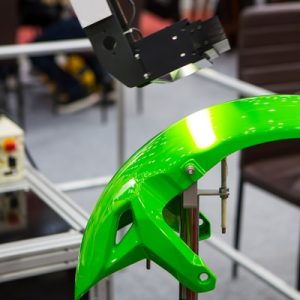
The automotive industry has found considerable value in plasma surface treatment for improving both product quality and cost efficiency. One of its primary applications is improving the adhesion of paints and coatings on car exteriors.
Furthermore, automotive manufacturers use plasma treatment to clean and prepare surfaces for bonding or gluing during assembly. By optimizing these processes, companies can reduce defects and operational costs, delivering vehicles that outperform in function and form.
Plasma Surface Treatment Is Driving Innovation
Plasma surface treatment represents a leap forward in material science and technology. From improving manufacturing efficiency to supporting eco-conscious practices in textiles, each application highlights its potential to transform the way industries operate. If you’re ready to explore how plasma surface treatment can redefine your processes, find out how this adaptable technology can align with your goals and elevate your outcomes.