5 Tips To Protect Food Quality on Long-Distance Hauls
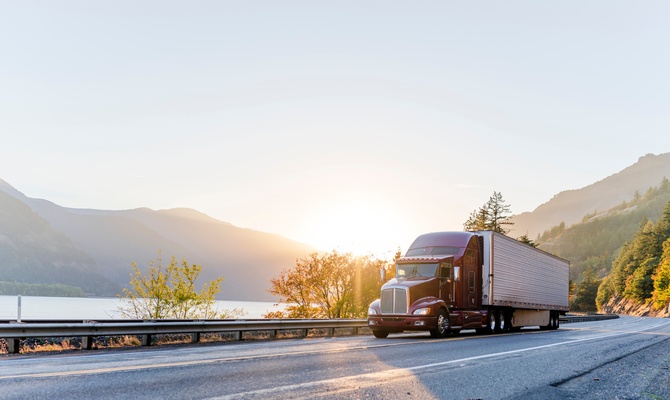
Transporting food over long distances can be a challenging task, particularly when maintaining its quality and freshness is critical. Small oversights can result in spoiled goods, foodborne illnesses, and financial losses.
To maintain food in excellent condition, it’s essential to adopt a strategic approach to loading, handling, and transportation. Below are five tips to protect food quality during long-distance hauls, ensuring successful deliveries every time.
1. Monitor Temperature Consistently
Temperature regulation is crucial during food transportation, as even slight fluctuations can lead to spoilage. For example, perishable goods such as dairy products, meat, and seafood should be stored at specific temperatures to prevent contamination.
Equip your trucks with high-quality refrigeration units that offer real-time temperature monitoring. Temperature loggers, also known as data loggers, can serve as an additional safeguard, tracking any changes throughout the trip.
2. Use Proper Packaging Materials
The right packaging plays a crucial role in maintaining the freshness and quality of food. Investing in high-quality, leak-resistant, and airtight containers helps prevent contamination, spoilage, and moisture loss during storage and transport.
Using insulated packaging materials is especially beneficial for frozen or refrigerated items, as they help sustain a consistent temperature. This helps preserve the food’s texture, flavor, and nutritional value for a longer period. Choosing the right packaging is a crucial step in ensuring food safety and minimizing waste.
3. Prioritize Hygiene During Loading and Transport
Cleanliness is vital at every stage of the transportation process. Ensure that trucks and handling equipment are sanitized before loading any goods. Train staff to adhere to strict hygiene protocols, such as wearing gloves and maintaining proper hand hygiene. By reducing the likelihood of bacterial contamination, you add an extra layer of protection to your food supply.
4. Schedule Efficient Delivery Routes
Efficiency in route planning helps reduce transit time, which is particularly important for perishable goods. Plan routes to avoid unnecessary delays or lengthy detours, as these can impact the freshness and shelf life of food items.
Using GPS route planners helps your team adapt in real-time to traffic delays and road changes. Incorporating real-time traffic data and strategic planning not only enhances efficiency but also ensures that perishable goods arrive fresh, reducing spoilage and waste.
5. Balance Weight Distribution
Improper weight distribution during food transport can lead to cargo shifting and uneven refrigeration, potentially compromising the quality of the food. While loading the truck, distribute weight evenly to ensure all items are stored under optimal conditions. This practice also prevents mechanical issues caused by overloading certain axles, thereby reducing the likelihood of delays resulting from breakdowns.
6. Communicate With Drivers
Drivers play a crucial role in maintaining food quality during long journeys. Keep them informed about the specific needs of different perishable items. For instance, frozen goods require consistent temperature checking, while fresh produce needs careful handling. Equip drivers with communication devices to report any mechanical or climatic issues that may arise immediately.
By following these tips to protect food quality on long-distance hauls, logistics operators can minimize spoilage and deliver high-quality food products while maintaining customer satisfaction. From ensuring balanced weight distribution to tracking temperature fluctuations, every detail plays a critical role. Start applying these strategies today to safeguard your shipments and maintain a smooth business operation.