Essential Types of Lighting for Semi Trucks
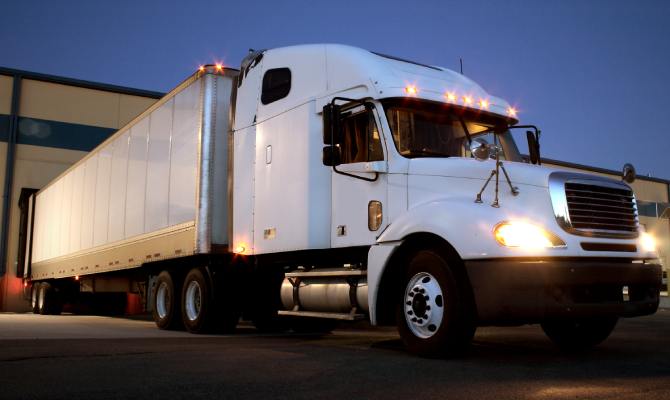
Semi truck drivers face unique challenges on the road, and proper lighting can mean the difference between a safe journey and a dangerous situation. The right combination of lights keeps you visible to other drivers and also helps you navigate challenging conditions and complete necessary tasks. Continue reading to discover essential types of lighting for semi trucks.
Headlights
Headlights serve as your main source of illumination during nighttime driving and low-visibility conditions. Modern LED headlights offer superior brightness and energy efficiency compared to traditional halogen bulbs, lasting up to 50,000 hours while consuming less power from your truck’s electrical system. High-quality headlights illuminate the road ahead clearly, helping you spot obstacles, road signs, and other vehicles well before they become hazards. DOT regulations require headlights to meet specific brightness and beam pattern standards, so choosing compliant options protects you from fines during inspections.
Taillights
Taillights alert drivers behind you to your truck’s presence and position on the road. These red lights become especially critical during dawn, dusk, and nighttime hours when your massive vehicle might otherwise blend into the darkness. Federal regulations require that taillights remain visible from a distance of at least 500 feet. Modern LED versions often exceed this requirement while lasting significantly longer than incandescent bulbs. Properly functioning taillights reduce rear-end collisions by giving following drivers adequate time to react to your presence.
Brake Lights
Brake lights provide instant communication to other drivers when you’re slowing down or stopping. Given that a loaded semi truck can weigh up to 80,000 pounds and requires much more stopping distance than passenger vehicles, clear brake light signals become absolutely crucial for preventing accidents. These lights must activate immediately when you press the brake pedal and shine brightly enough to catch attention even in daylight conditions. Regular maintenance keeps your brake lights functioning reliably when split-second communication matters most.
Turn Signals
Turn signals tell other drivers which direction you plan to move, giving them time to adjust their driving accordingly. Semi trucks need extra time and space to complete turns, making clear signal communication essential for safe lane changes and intersections. Amber-colored turn signals must flash at specific intervals according to DOT standards, and their positioning on your truck makes your intentions visible from multiple angles. Malfunctioning turn signals can result in traffic violations and significantly increase the risk of accidents.
Marker Lights
Marker lights help other drivers understand your truck’s size and shape, especially important for wide loads or during limited visibility conditions. These small but important lights outline your vehicle’s dimensions and position, preventing other drivers from misjudging the space they need to pass safely. Side marker lights become particularly valuable on multi-lane highways where cars might attempt to squeeze past without realizing the full width of your truck.
Clearance Lights
Clearance lights indicate your truck’s maximum height and width to other drivers and help you navigate bridges, overpasses, and narrow spaces. These lights mount at your vehicle’s highest and widest points, creating a visual boundary that prevents collisions with overhead obstacles and guides other drivers when passing. Amber clearance lights on the front and red ones on the rear follow federal standards that keep you compliant during inspections.
Fog Lights
Fog lights mount low on your truck and produce a wide, flat beam that cuts through fog, mist, and heavy rain more effectively than regular headlights. These specialized lights reduce glare and improve road visibility during challenging weather conditions that can turn routine drives into hazardous situations. While not required by law in all states, fog lights provide valuable safety benefits during adverse weather driving.
Work Lights
Work lights provide bright illumination for loading, unloading, and maintenance tasks performed around your truck. These powerful lights help you see clearly when connecting trailers, inspecting cargo, or performing roadside repairs during dark hours. Floodlights differ from spotlights in their beam patterns. Floodlights provide wide-area coverage, while spotlights focus intense light on specific locations. Choosing the right type depends on your typical work requirements.
Transform your semi truck’s lighting system today by upgrading to reliable, DOT-compliant options that keep you safe and legal on every mile. Contact your local truck parts supplier to explore lighting solutions that match your specific hauling needs and budget requirements.