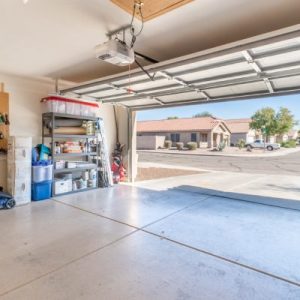
Work on Your Car Safely in Your Own Garage

Your garage can become the perfect workspace for car maintenance and repairs. With proper preparation and safety measures, you can tackle many automotive projects without visiting a mechanic. Setting up your space correctly and following essential safety protocols will help you work on your vehicle confidently.
Create a Safe Work Environment
Start by clearing your garage of unnecessary items. You need adequate space to move around your car and access all sides of the vehicle. Good lighting makes a significant difference—install bright LED fixtures or use portable work lights to eliminate shadows under the hood and chassis.
Ventilation plays a crucial role in garage safety. You should always open garage doors and windows when running your engine or working with chemicals. Carbon monoxide poses serious health risks, so never run your car in a closed garage. Consider installing an exhaust fan for better air circulation during extended work sessions.
Essential Safety Equipment
Quality tools and safety gear protect you during repairs. Invest in proper jack stands rather than relying solely on hydraulic jacks. Jack stands provide stable support and prevent accidents if hydraulic systems fail. Always use wheel chocks on the wheels remaining on the ground.
Fire safety equipment belongs within easy reach. Keep a Class B or ABC fire extinguisher nearby, especially when working with fuel systems or electrical components. A first aid kit and emergency phone numbers should stay accessible in case of accidents.
Electrical Work Precautions
Automotive electrical repairs require special attention to safety. Disconnect the battery before working on any electrical components. This prevents short circuits and protects sensitive electronic systems in modern vehicles.
When making electrical connections, the benefit of heat shrink wire connectors becomes apparent as they provide weatherproof seals that prevent corrosion and ensure reliable connections. Always use appropriate gauge wire for the amperage requirements of your project.
Fluid Handling and Storage
Motor oil, coolant, and other automotive fluids require careful handling. Always wear nitrile gloves to protect your skin from chemicals and oils. These fluids can cause skin irritation and may contain harmful substances.
Store used fluids in clearly labeled containers until you can dispose of them properly at recycling centers or auto parts stores. Never pour automotive fluids down drains or onto the ground, as they contaminate water supplies and soil.
Know Your Limits
Recognize which jobs exceed your skill level or require specialized equipment. Modern cars contain complex computer systems and safety features that need professional diagnosis. Brake systems, suspension components, and airbag systems often require expert attention.
Gas tank repairs and fuel system work present fire hazards that many home mechanics should avoid. High-pressure systems like air conditioning also require professional tools and certification to service safely.
Keep Records and Stay Organized
Document your work with photos before disassembly. This helps during reassembly and creates a maintenance history for your vehicle. Organize nuts, bolts, and small parts in labeled containers to prevent loss.
Clean up spills immediately to prevent slipping hazards. Oil-soaked rags can spontaneously combust, so store them in metal containers with tight-fitting lids or dispose of them properly after use.
Make Your Garage Work for You
Working on your car at home saves money and builds valuable skills. Proper preparation transforms your garage into a safe, efficient workspace where you can maintain your vehicle with confidence. Start with simple projects and gradually tackle more complex repairs as your experience grows.