Care Tips To Prepare Your Outdoor Installations for Winter
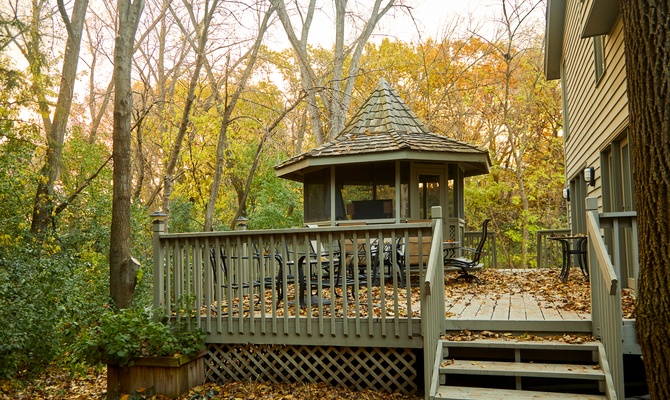
As the seasons change, now’s the time to prepare your home for the colder months ahead. This includes your outdoor installations, such as decks, gazebos, water features, and more, which require specific care to withstand winter weather. Proper preparation prevents damage and extends the life of your structures.
This guide provides essential steps to prepare your outdoor features for winter. Following these tips will ensure your installations remain in excellent condition and are ready for use when spring arrives.
Inspect and Clean Your Outdoor Installations
Start by thoroughly inspecting your outdoor structures. Look for any signs of wear, such as loose fasteners, cracks in the wood, or peeling paint or rust on metal surfaces. Addressing these minor issues now prevents them from worsening during the winter.
After the inspection, clean all surfaces to remove dirt, leaves, and other debris. Use a mild detergent and water for this task. A clean surface is easier to protect and helps you spot hidden damage.
Secure Outdoor Installations From the Elements
Winter often brings strong winds and heavy snow, which can damage unsecured outdoor features. Take the time to anchor or store away any movable items, such as furniture or planters, to prevent them from being blown around.
For structures like pergolas or pavilions, make sure to tighten and secure all of their components. Check that the roof panels and support posts are secure. This is an important step for maintaining a backyard pavilion and ensuring its stability through harsh weather.
Apply Protective Coatings
Applying a protective coating can safeguard your installations from moisture and freezing temperatures. For wooden structures, use a high-quality sealant to prevent water from seeping into the wood, which can cause it to rot or crack.
Metal installations benefit from a coat of rust-resistant paint or sealant. This protective layer prevents corrosion and keeps the metal looking its best. Always apply coatings to a clean, dry surface for optimal results.
Winterize Water Features and Irrigation
Fountains, ponds, irrigation systems, and other water features require proper winterization. Drain all water from these features to prevent pipes and pumps from freezing and cracking. Then, disconnect the hoses and store them indoors.
For ponds with fish, you may need to install a de-icer to keep a portion of the water from freezing. This allows for gas exchange, which is essential for the fish to survive the winter.
Check Electrical Components
Inspect all electrical components associated with your outdoor installations. This includes lighting, outlets, and any wiring for water features. Make sure that all connections remain secure and protected from moisture.
Use weatherproof covers for all outdoor outlets to keep them dry. If you notice any frayed wires or damaged components, have them repaired by a qualified electrician before winter sets in.
Don’t Wait on Seasonal Maintenance
Taking these steps to prepare your outdoor installations for winter is a worthwhile investment. It protects your structures from damage and saves you from costly repairs in the spring. A little effort now ensures you can enjoy your outdoor space as soon as the warm weather returns.