Top Safety Tips for Working With Sheet Metal
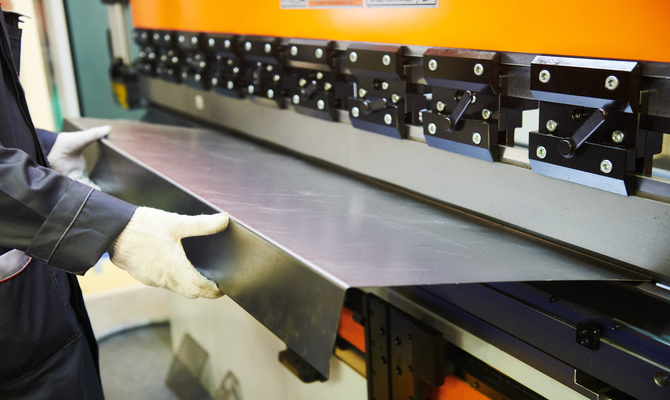
Sheet metal work is a valuable skill across industries, from manufacturing to home repairs. However, its sharp edges and rigid surfaces pose potential dangers. Following the top safety tips for working with sheet metal reduces risks and promotes efficiency, especially for Missouri residents engaging in DIY projects or professional tasks.
Wear Protective Gear
Always wear personal protective equipment (PPE) when working with sheet metal to stay safe. Sharp edges make puncture-resistant gloves essential to prevent cuts. Safety goggles are a must to protect your eyes from flying debris during cutting or grinding, and hearing protection is essential in loud environments to reduce long-term noise exposure.
Proper Handling Techniques
When lifting or moving sheet metal, ensure you have a firm grip to prevent accidents. Larger sheets are often cumbersome, so enlisting assistance or using a dolly reduces the chance of material slipping. Carry the sheets vertically rather than horizontally to maintain balance and reduce the risk of injury from the edges.
Organize Your Workspace
A clutter-free workspace creates a safer environment. Ensure tools are within easy reach and materials are stacked securely to avoid tipping. Strong, level workbenches offer a stable surface for cutting and bending. Adequate lighting plays an integral role, improving visibility to prevent missteps during delicate tasks.
Invest in the Right Tools
Using the right tools is essential for safe and precise sheet metal work. High-quality shears or a sheet-metal guillotine will provide clean cuts and reduce jagged edges.
Avoid using tools not meant for metal, such as standard saws, as they can damage the material and pose hazards. When drilling, use sheet-metal drill bits, such as cobalt- or titanium-coated bits. This will create clean holes without warping or tearing the metal.
Implement Safe Cutting Practices
Cutting sheet metal requires a calculated approach to minimize risks. Always secure the material firmly before making any cuts. A bench vise or clamps can hold the sheet in place, reducing movement during the process. Mark the intended cutting line clearly to ensure accurate results and avoid unnecessary adjustments that might compromise safety.
Pre-drilling starter holes with the appropriate drill bit can also guide precise cuts in thicker sheets. Adopting these tactics avoids the creation of burrs, which can further injure operators.
Maintain Sharp Tools
Using dull tools raises the risk of accidents and injuries. Dull blades or drill bits create more friction, requiring extra force during use, which increases the likelihood of slips or uneven work results.
To enhance safety and efficiency, it’s essential to keep your tools sharp regularly. Proper maintenance reduces accidents and improves the quality and precision of your work, making your projects safer and more productive overall.
Final Word of Advice
Safety in metalworking is as much about preparation as it is about execution. Always plan your projects with caution, using these top safety tips for working with sheet metal as a foundation. Whether tackling a small DIY project or complex industrial task, adherence to these practices ensures productivity while protecting well-being.