Why Is Corrosion Dangerous in Power Transformers?
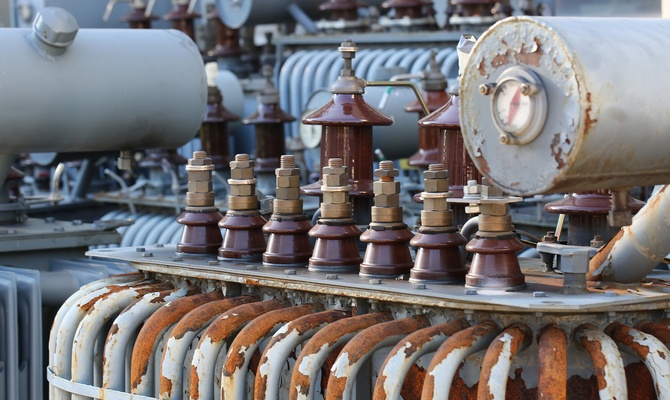
Electrical grids use power transformers to transmit electricity across long distances. When corrosion appears, these machines are at risk. Corrosion in power transformers accelerates wear, reduces efficiency, and could cause catastrophic failures.
How Corrosion Impacts Transformer Components
Corrosion attacks multiple parts of a transformer simultaneously. The tank, which houses the core and windings, often suffers from rust and oxidation when moisture penetrates protective coatings. It weakens structural integrity and creates pathways for oil leaks. Corroded tanks lose their ability to contain insulating oil, exposing internal components to environmental contaminants. Once the oil escapes, the cooling system fails, and temperatures rise to dangerous levels.
Bushings and terminals also fall victim to corrosive processes. These connection points carry high voltages and currents, making them particularly vulnerable to electrochemical reactions. Corroded terminals increase electrical resistance, generating excess heat that damages insulation and accelerates further deterioration. As connections weaken, arcing becomes more likely, posing fire hazards and power interruptions.
The Role of Moisture and Contaminants
Water is one of the primary catalysts for transformer corrosion. Even small amounts of moisture inside the tank trigger oxidation reactions on metal surfaces. Humidity enters through gaskets, seals, and breathing devices, especially when transformers operate in coastal or high-humidity environments. Once water mixes with insulating oil, it forms acids that attack windings and core laminations.
Contaminants like sulfur compounds and chlorides worsen the problem. Industrial areas with high pollution levels expose transformers to airborne particles that settle on surfaces and promote galvanic corrosion. Salt spray in coastal regions accelerates the breakdown of protective finishes, leaving bare metal exposed to the elements.
Electrical and Mechanical Consequences
Corrosion in power transformers directly affects electrical performance. Insulation resistance drops as corrosion byproducts accumulate in the oil and reduce dielectric strength. This increases the risk of flashovers and short circuits during operation. Corroded core laminations create eddy currents that generate additional heat, lowering efficiency and raising operating costs.
Mechanical failures follow electrical degradation. Corroded bolts and fasteners lose their holding strength. This causes vibrations that damage windings and internal supports.
Tank walls thinned by rust become prone to rupture under pressure. As a result, they could release thousands of gallons of oil and create environmental hazards.
Prevention Through Storage and Maintenance
Implementing effective strategies for storing power transformers minimizes corrosion risk during downtime. Store units in climate-controlled environments with low humidity to prevent moisture accumulation. Apply protective coatings to external surfaces and inspect them regularly for signs of wear. Seal all openings with airtight covers and use desiccant breathers to keep internal spaces dry.
Active transformers require ongoing monitoring to catch corrosion early. Test oil samples frequently to detect moisture content and acid formation before they cause damage. Infrared thermography identifies hot spots created by corroded connections, allowing repairs before failures occur. Replace gaskets and seals at recommended intervals to maintain sealed enclosures.
Prevent Corrosion and Maintain Functional Power Transformers
Corrosion threatens every aspect of power transformer operation, from electrical performance to structural stability. Moisture, contaminants, and electrochemical reactions degrade components and shorten equipment life. Implementing preventative maintenance and good storage practices will protect your transformers from premature failure.