4 Agricultural Practices To Increase Crop Yields
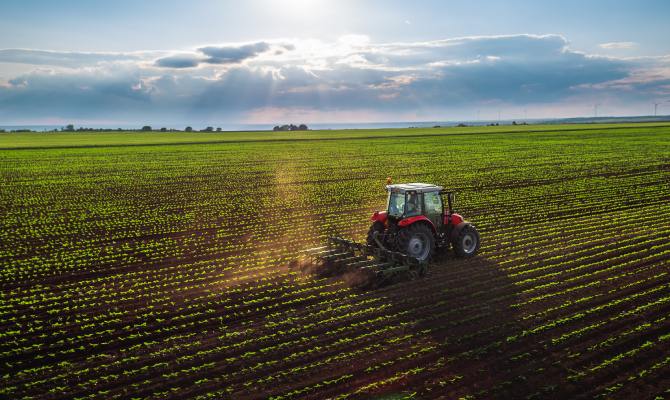
Meeting the world’s growing food demand requires farmers to be more innovative and efficient than ever. The key to success lies in adopting smarter farming methods that maximize output without depleting natural resources. By implementing these agricultural practices to increase crop yields, you can enhance your farm’s productivity and contribute to a more sustainable agricultural future.
1. Adopt Precision Farming
Precision farming leverages modern technology and high-quality equipment to optimize crop production with incredible accuracy. By using tools like GPS, drones, and in-field sensors, you can gather detailed data on soil conditions, moisture levels, and crop health across your fields.
This information allows you to apply water, fertilizer, and pesticides only where necessary, reducing waste and lowering operational costs. This targeted approach ensures that every part of your field receives the ideal resources for optimal growth, leading to healthier crops and significantly higher yields.
2. Implement Crop Rotation
Crop rotation is a time-tested technique that involves planting different crops in a sequence on the same piece of land. This practice naturally improves soil health by varying the nutrient demands on the soil. For example, planting legumes like soybeans can replenish nitrogen levels that other crops, like corn, tend to deplete.
Crop rotation also helps break the life cycles of pests and diseases that are specific to certain plants, reducing the need for chemical interventions. A well-planned rotation strategy enhances soil structure, boosts fertility, and ultimately leads to more consistent and robust harvests.
3. Focus on Efficient Water Management
Water is a critical resource in agriculture and managing it efficiently is essential for maximizing crop yields. Modern irrigation techniques like drip irrigation and sprinkler systems deliver water directly to the plant’s root zone, minimizing evaporation and runoff.
These systems allow for precise control over the amount of water applied, ensuring crops get the hydration they need without waterlogging the soil. Implementing smart water management practices conserves a vital resource and creates an ideal growing environment that promotes strong, healthy plant development.
4. Improve Soil Health
Healthy soil is the foundation of a productive farm. Practices such as cover cropping and no-till farming are excellent ways to protect and enrich your soil. During off-seasons, cover crops prevent soil erosion, suppress weeds, and, when tilled, add organic matter back into the ground.
No-till farming, on the other hand, involves planting new crops directly into the residue of the previous one without disturbing the soil. This method helps retain moisture, improve soil structure, and increase the population of beneficial microorganisms. Focusing on building healthy soil creates a resilient foundation that supports vigorous crop growth year after year.
By integrating these modern and sustainable farming methods, you can significantly improve your farm’s efficiency and productivity. Adopting these agricultural practices to increase crop yields leads to greater harvests and promotes long-term environmental sustainability.