Top Considerations for Choosing Heavy Equipment Drivetrains
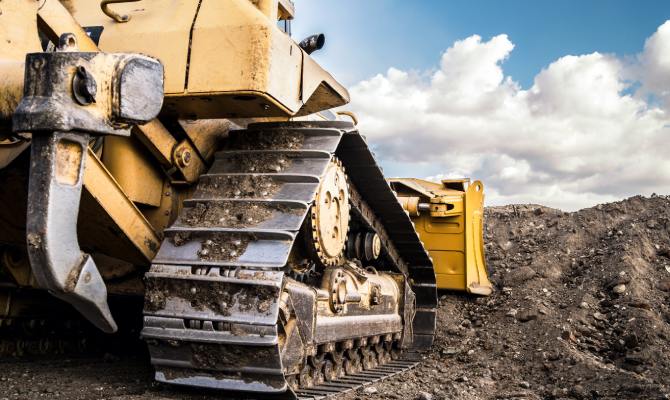
There are several factors that differentiate drivetrains. Selecting the appropriate one for heavy equipment will influence its performance and efficiency. From navigating the varied terrains of Missouri jobsites to managing fuel consumption, the drivetrain you select sets the stage for success. Examining the top considerations for choosing heavy equipment drivetrains allows you to align machine capabilities with job demands for superior results.
Evaluate Your Operational Needs
Before comparing drivetrain models, assess your typical work environment and application demands. Consider the primary function of the equipment. Will it be used for heavy-duty earthmoving, material transport, or precision tasks? The answer will help determine the necessary power and control.
Next, analyze the ground conditions of your worksites. Are they generally flat and stable, or do they include steep grades and soft, uneven surfaces? A machine operating on challenging inclines or muddy ground requires a different drivetrain configuration than one working on prepared surfaces. Your operational assessment is the foundation for selecting a suitable system.
The Performance of Hydrostatic and Mechanical Drivetrains
Drivetrains generally fall into two categories: hydrostatic and mechanical. Hydrostatic and mechanical drivetrains each offer distinct performance advantages. Hydrostatic systems provide excellent maneuverability and smooth speed control, making them suitable for tasks that require frequent directional changes and precise movements in confined spaces.
Mechanical drivetrains efficiently transfer power during sustained, high-speed applications, like long-distance hauling. They are a reliable choice for operations where raw power and travel speed are priorities.
Fuel Efficiency and Long-Term Costs
Fuel consumption is a major operational expense, and the type of drivetrain influences it. Hydrostatic systems are generally more efficient at lower speeds and during tasks with a lot of starting and stopping. Mechanical systems tend to provide better fuel economy during continuous, high-speed travel.
Beyond fuel efficiency, consider the total cost of ownership. It should include the initial purchase price, routine maintenance, and potential repair expenses. While one system may have a lower upfront cost, another might offer greater long-term value through durability and reduced maintenance needs. A comprehensive cost analysis will clarify the most economical choice for your business.
Make Your Machinery More Efficient
By carefully considering the operational environment and understanding the core differences between available systems, you can confidently select drivetrains for heavy machinery. An educated decision will result in enhanced productivity and a stronger return on your equipment investment.