How To Improve Efficiency in Fluid Control Systems
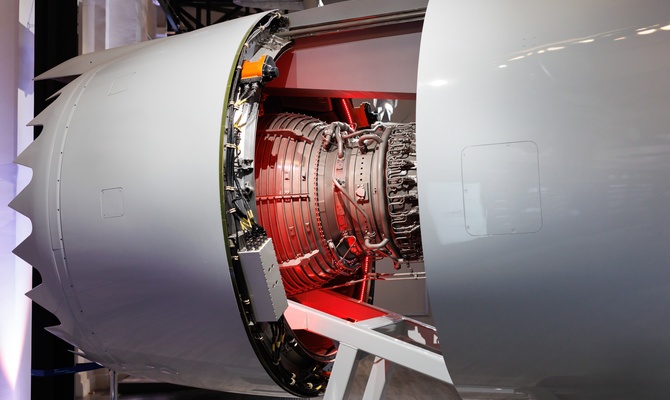
Fluid control systems manage tasks such as fuel, hydraulics, and cooling for aerospace applications. A small adjustment can yield substantial gains, especially when dealing with the precise requirements of hydraulic systems, fuel lines, or environmental control systems. Let’s explore a few practical strategies to improve the operational efficiency of fluid control systems.
Fine-Tuning Component Selection
Every valve, pump, and actuator contributes to the overall system performance. Minor incompatibilities or suboptimal choices can create a cumulative drag on efficiency.
Solenoid valves are foundational to modern fluid control. When evaluating these components, analyze the pressure ratings, flow coefficients, material compatibility with the working fluid, and response times.
Moreover, a deep dive into the characteristics of DC and AC current solenoid valves will help you match the valve’s power consumption and switching speed to your specific system architecture. An oversized valve, for instance, consumes unnecessary power and adds weight without providing any functional benefit.
Optimizing System Architecture
Beyond individual components, the overall system design provides numerous opportunities for efficiency improvements. A complex layout with excessive bends, long pipe runs, or unnecessary fittings will increase pressure drops and energy consumption.
You can streamline your system architecture in several ways.
- Minimize the length of fluid lines between components.
- Use smooth, mandrel-bent tubing instead of numerous fittings to reduce turbulence.
- Analyze the potential for integrating multiple functions into a single manifold block.
- Position critical components like accumulators and filters strategically to support system stability.
By simplifying the fluid path, you reduce the energy your pumps need to expend, which directly translates to higher efficiency.
Preventing Leaks
A leak-free operation is crucial for the efficiency and safety of aerospace hydraulic systems. Leaks reduce performance, increase maintenance costs, and cause safety risks.
Maintenance is the best way to prevent leaks. Inspect seals, gaskets, and fittings for damage. Use high-quality fittings and follow the proper torque specifications to ensure secure, leak-proof connections. Then, evaluate the equipment under real operating conditions to identify weak points. The system will be ready to function correctly and safely.
Enhance System Performance
Boosting the efficiency of fluid control systems requires a detailed reevaluation of component choices, a critical look at the system’s architectural design, and a commitment to optimization. Implementing these targeted improvements will develop a robust, reliable, and efficient system for any aerospace application.